


What Actually Happens When You Hire a Climbing Guide in Wadi Rum

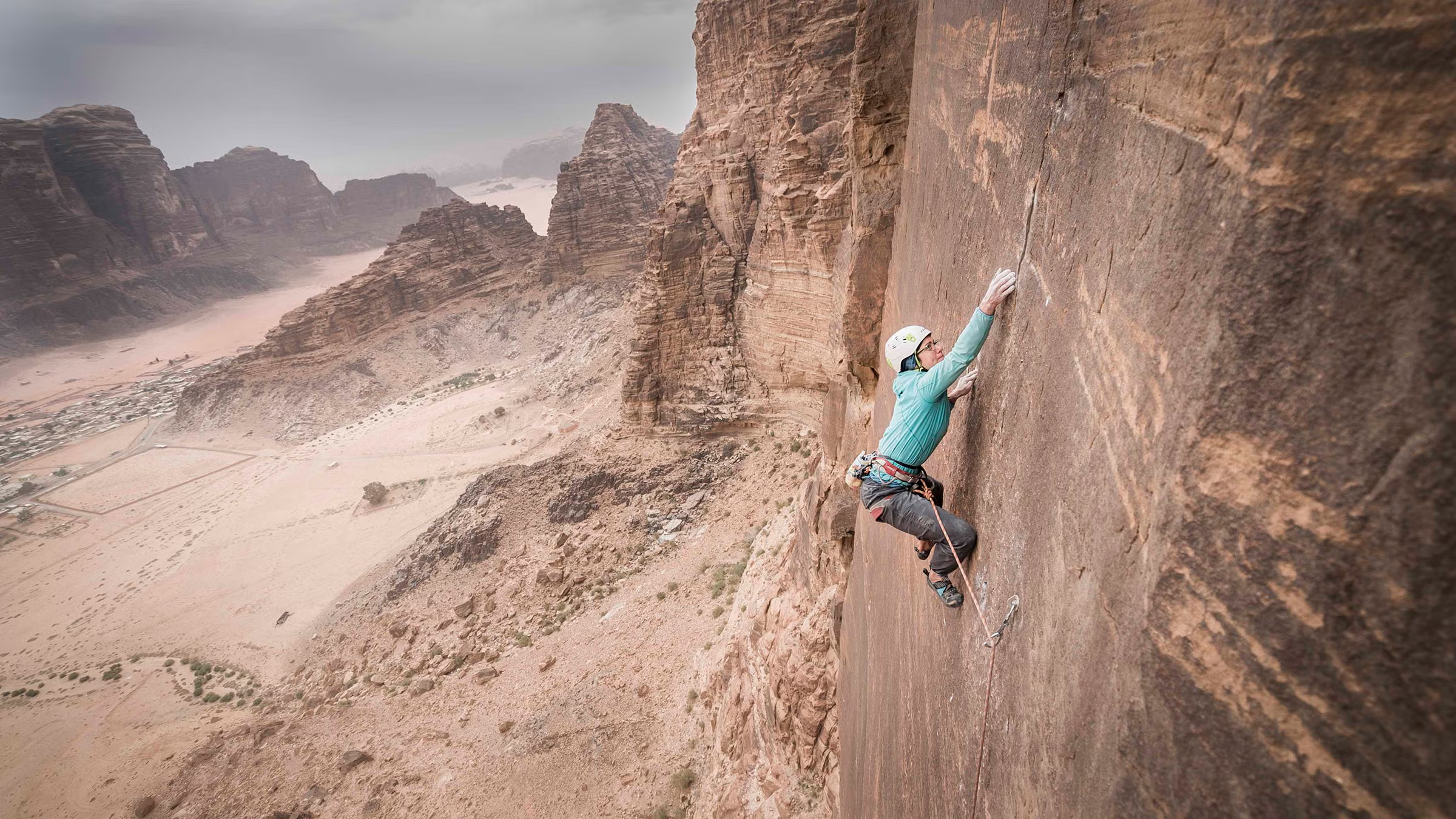
Booking a climbing guide in Wadi Rum sounds straightforward until you realize you're hiring someone to drive you 30 minutes into a protected desert, find a sandstone tower with no trail markers, and then keep you from falling 30 meters. Here's what a full day of guided sport climbing actually looks like, based on a typical experience with Hussein from Wadi Rum Rock Climb—one of the area's most-reviewed climbing operations.
Morning: 8am Pickup from Wadi Rum Village
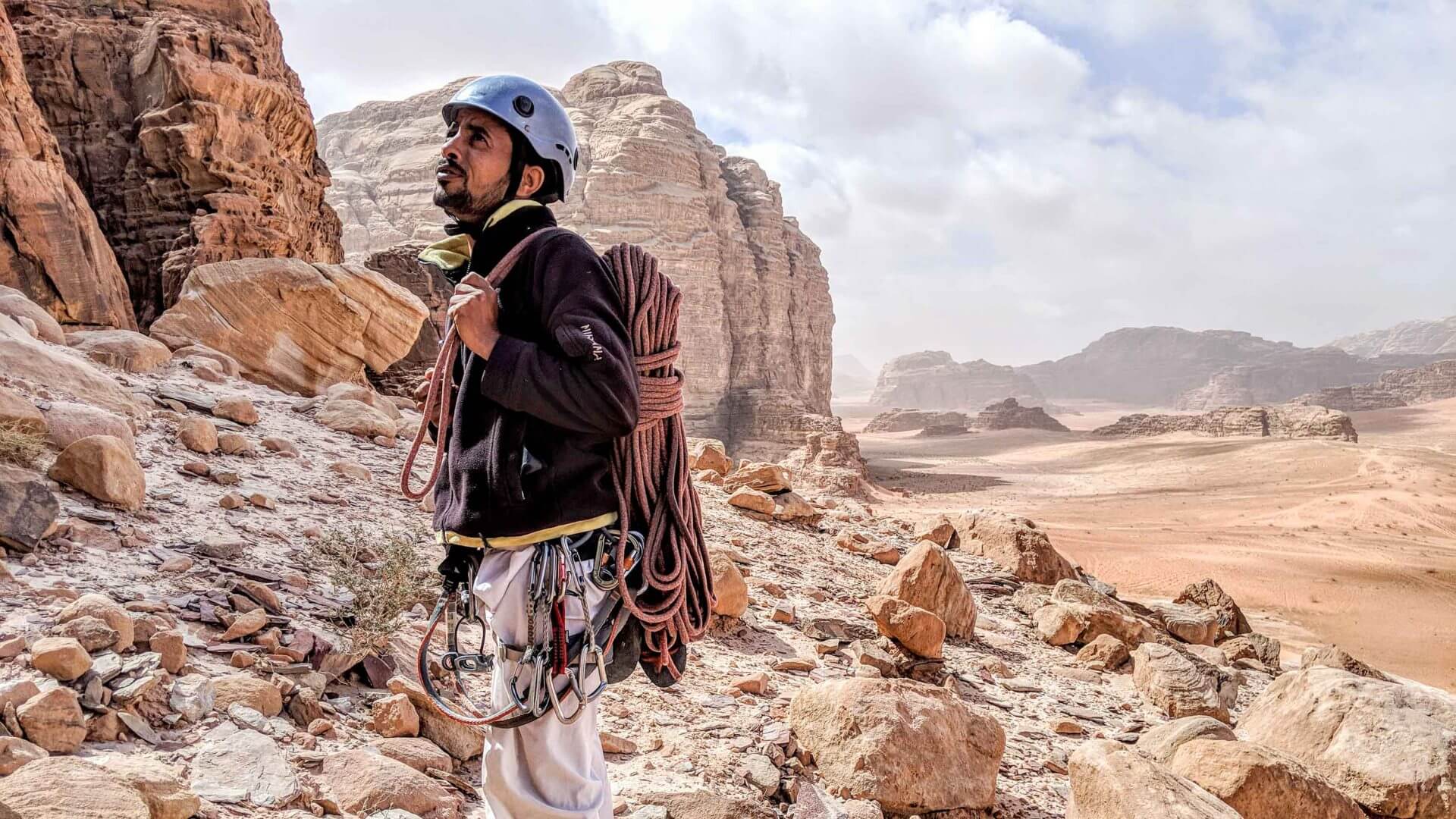
Your guide meets you in Wadi Rum Village with a 4x4 pickup truck. You've already paid the 5 JD entrance fee at the Visitor Center (or shown your Jordan Pass), so there's no stopping. The truck bed has bench seating—you're riding in back, which feels touristy until you realize it's the only way to see the desert properly. Hussein loads harnesses, ropes, helmets, and quickdraws. You need to bring: climbing shoes, water, sunscreen, and a willingness to get sandy.
The drive takes 20-30 minutes through red sand valleys with no marked roads. This is why you can't DIY Wadi Rum climbing—tourists aren't allowed to drive solo in the protected area, and even if they were, good luck finding Jebel M'zeygeh without GPS coordinates you don't have. Your guide knows which tower is which because he's climbed them dozens of times.
Mid-Morning: Gear Check and First Routes
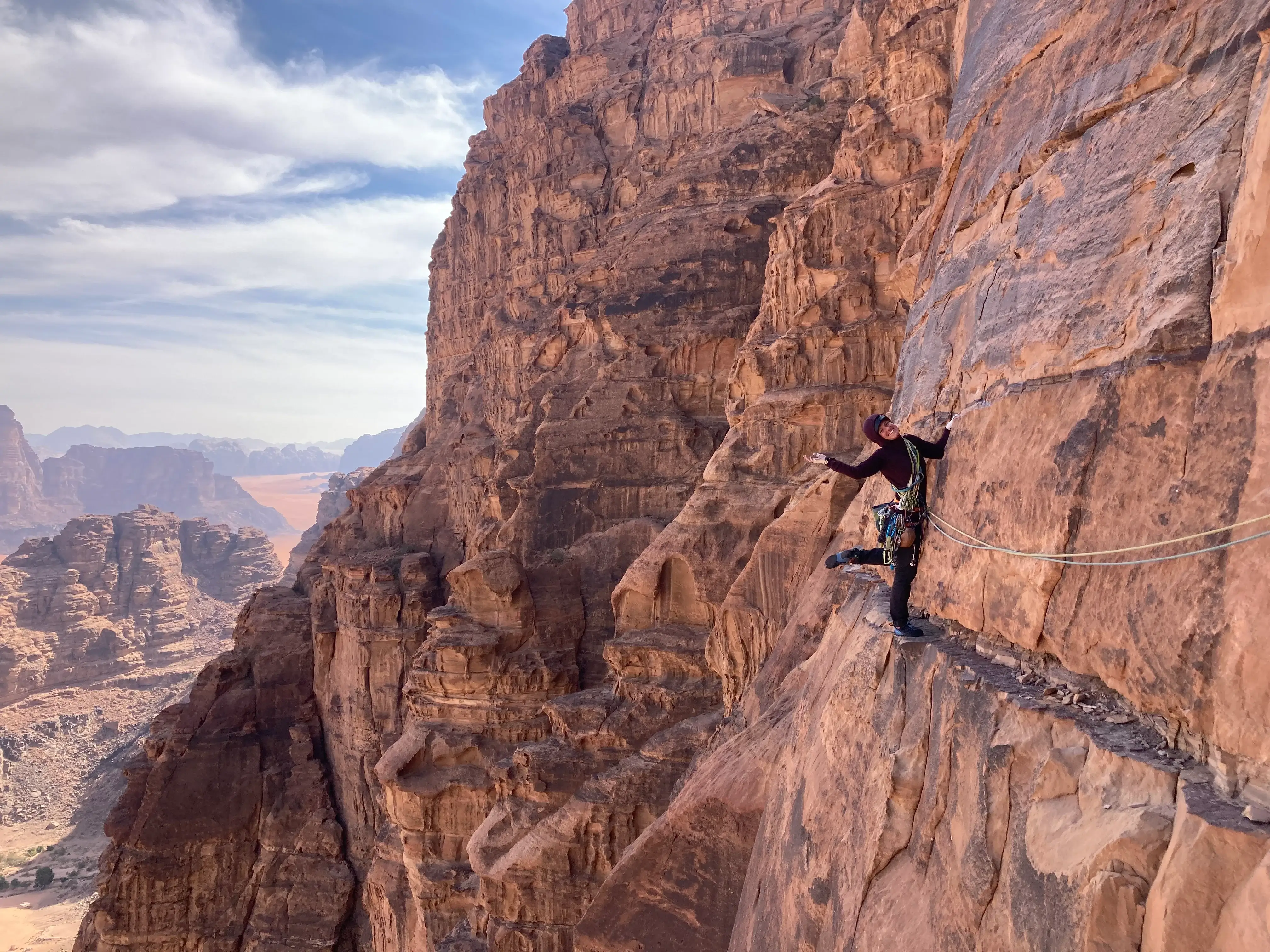
At the base of the climb, Hussein runs through safety protocols and checks your harness fit. If you're a beginner, he'll start you on prepared routes rated 5A-5C (French grades, roughly 5.6-5.9 in American YDS). The main sport climbing station has multiple routes bolted with various difficulties up to 6B. If you're intermediate, he might suggest the Crazy Camel multipitch—four pitches totaling 100 meters with grades ranging from 5c+ to 6b+ (roughly 5.9-5.10d). The crux move on pitch two is a 6b boulder problem right above a no-hands ledge, so you can attempt it multiple times without consequence.
The rock is sandstone—high friction but soft. Locals say if it rains, you wait 24 hours after the surface dries before climbing so absorbed water can evaporate. Otherwise holds crumble. You'll understand this the first time you pull on a jug and feel it flex slightly.
Midday: Desert Lunch
Around noon, Hussein drives you to a shaded spot (or sets up a tarp) and serves a picnic lunch. This is included in the full-day price: 65 JD per person for groups of 3-4, scaling up to 125 JD for solo climbers. Half-day trips run 45-80 JD depending on group size. Compare this to the 50-60 JD per day you'd pay just for transport to remote climbs like Merlin's Wand in Barrah Canyon if you were organizing it yourself.
Afternoon: More Climbing or Desert Exploration
If you're still energized, Hussein moves you to a second location that's in afternoon shade—important because desert sun at 3pm, even in winter, will cook you. If you're tired, he'll offer a shorter jeep tour to nearby formations or just head back early. The flexibility is part of what you're paying for.
If you're doing the Crazy Camel multipitch, expect 3-4 hours of climbing plus four abseils back down the same route. Climbers consistently mention Hussein's patience when they need multiple attempts at crux moves and his willingness to let experienced climbers lead pitches if they want.
Late Afternoon: Return to Village
By 4-5pm, you're back in the truck heading to Wadi Rum Village or, if you've booked overnight accommodation, to Hussein's camp near Lawrence House. The camp is one of the only in Wadi Rum with its own private sport climbing wall—useful if you want to climb again the next morning without another desert drive.
What's Actually Included
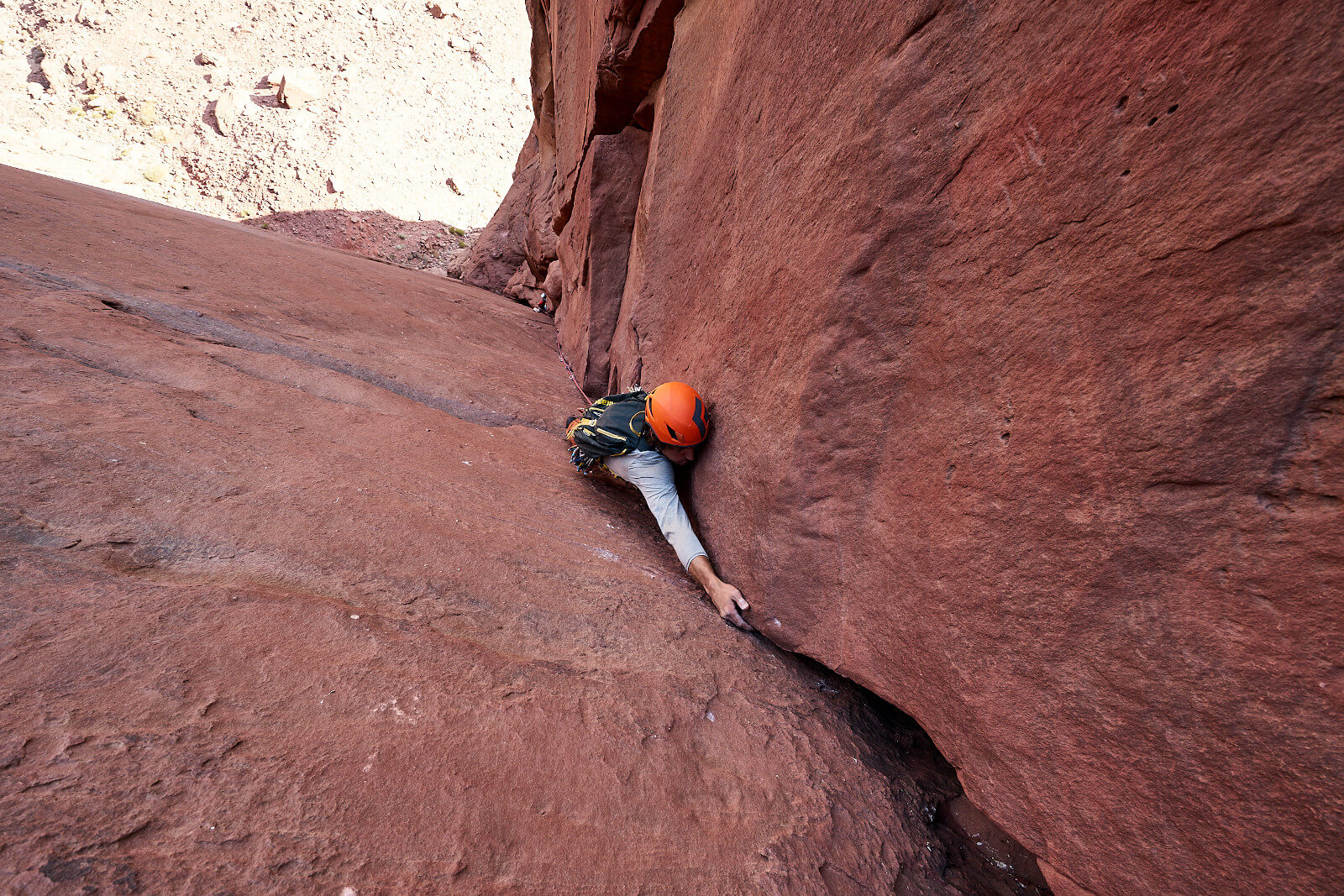
Everything except shoes: harness, helmet, ropes, quickdraws, belay devices, lunch, water, and transport. The guide provides route selection based on your skill level (Hussein has been described as able to "find the best routes for you" whether you're a beginner or experienced climber who's "old, out of shape, and broken"). Safety equipment meets international standards, though some guides' English fluency varies—Hussein's is reported as very good.
Other Guide Options
Hussein isn't your only choice. Khaled Aodh (khaled.desert1@yahoo.com, 07 7720 4215) and Mamdouh at MoonRock Camp (+962 77 959 1577) also specialize in climbing and know specific routes by name—important if you want to climb "Merlin's Wand" versus just "something in Barrah Canyon." Mohammad Hamad and Attayak Aouda also come recommended on climbing forums. For European-style mountain guiding, Wilfried Colonna and Pierre Voignier are IFMGA-certified but typically book further in advance.
The Real Value Proposition
You're not just paying someone to belay you. You're paying for route knowledge in a landscape with 350+ climbs across dozens of formations with no trail markers, for vehicle access through a protected area, for someone who knows which routes have loose rock after winter rains, and for someone who can call the difference between "beginner-friendly slab" and "serious multipitch that requires crack experience."
Can you climb Jebel Rum's east face routes without a guide? Technically yes—they're a 20-minute walk from the village. But the routes that make Wadi Rum worth visiting (Barrah Canyon, the remote towers, anything involving serious approaches) require 4x4 access through terrain where getting lost means you're 40km from the nearest road. The guide system exists because the alternative is dangerous and illegal.
Whether 65-125 JD seems reasonable depends on what you compare it to. Gym day passes in Jordan cost 10-15 JD. But you're not at a gym—you're climbing sandstone towers in a UNESCO World Heritage desert with someone who knows where every bolt is. The question isn't whether you need a guide. It's whether you want to climb here at all.