


The Santorini Sunset Myth: Why 17,000 People Show Up on the Wrong Day

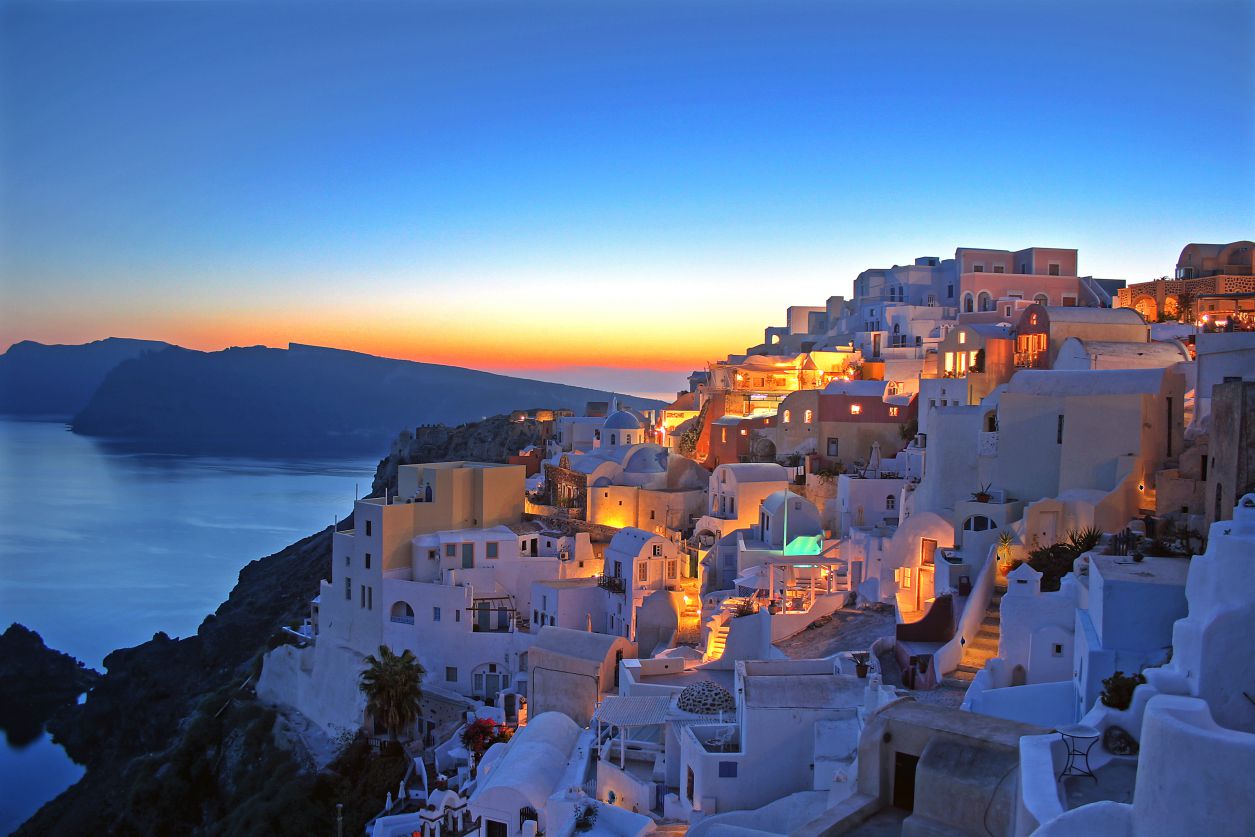
Every summer, thousands of travelers book July or August trips to Santorini, convinced they're visiting at the "best time." They pay premium prices, stand shoulder-to-shoulder in Oia's alleys, and spend half their vacation in cable car queues. Meanwhile, the island's 20,000 residents watch this ritual play out year after year. In July 2024, local officials actually urged residents to stay indoors to accommodate 17,000 cruise passengers arriving in a single day. This isn't what travel should look like—and the data proves peak season delivers the worst experience Santorini offers.
The Numbers Don't Lie About Peak Season
Santorini attracted 3.4 million visitors in 2024, but most squeezed their trips into July and August. On peak days, up to 17,000 cruise passengers disembarked simultaneously onto an island with infrastructure built for its 20,000 permanent residents. The result? Princess Cruises canceled its 2024 Santorini stops entirely, citing congestion that would "negatively affect the visitor experience." Hotels reported 30% occupancy drops compared to previous years—not because fewer people traveled, but because the island's reputation for overcrowding preceded it.
Local tour operator Gianluca Chimenti called summer 2024 "the worst season ever" despite record visitor numbers. The paradox is real: the island goes from Times Square at sunset to ghost town by 9 p.m., with restaurants struggling to fill tables even during supposed peak season. In August 2024, Greece implemented an 8,000 daily visitor cap to address the crisis, effectively admitting that peak season had become unsustainable.
What Shoulder Season Actually Delivers
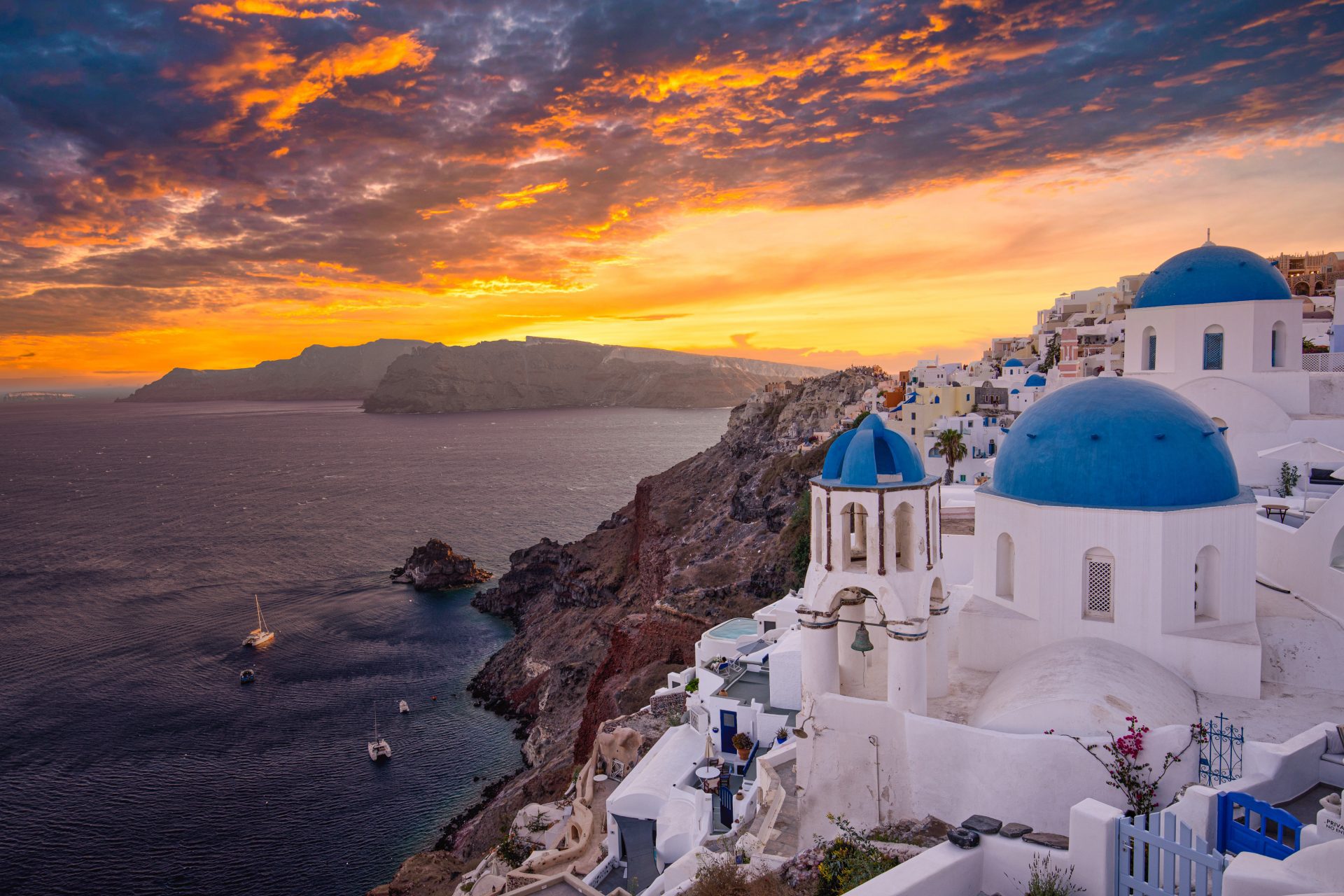
September offers the same weather as July—averaging 25-27°C—without the chaos. The sea is actually warmer after heating all summer, reaching 24-25°C compared to June's 23°C. Hotels that were ghost towns during the July crunch suddenly have availability. The sunset is identical. The blue domes photograph just as well. Everything is open, unlike winter months when services shut down.
Late April through May provides similar conditions on the front end. Temperatures hit 22-23°C by May, warm enough for beach days but cool enough for the Fira-to-Oia hike without heat exhaustion. Wildflowers bloom across the caldera in spring, something August's parched landscape can't match. Water temperatures reach 19-20°C in May—cold for some, but the trade-off is half the crowds at a fraction of the price.

The Real Cost of Showing Up Wrong
Summer 2024 visitors spent their Santorini days differently than shoulder season travelers. They waited in cable car queues that snaked through Fira's streets. They navigated Oia at sunset where one visitor described it as "worse than a shopping mall on Christmas Eve." They paid inflated accommodation prices only to find hotel occupancy down 30% because word had spread about the overtourism problem. Some spent €180 on tours only to share every viewpoint with thousands of others.
Shoulder season travelers in September experienced none of this. They walked freely through villages that felt like actual places rather than theme parks. They photographed blue domes without elbowing through crowds. They ate at restaurants where locals still outnumbered tourists. The weather difference? Negligible. September averages 25°C with 290 sunshine hours monthly versus August's 27°C with 355 hours—a trade most would gladly accept for manageable crowds.
Why The Myth Persists
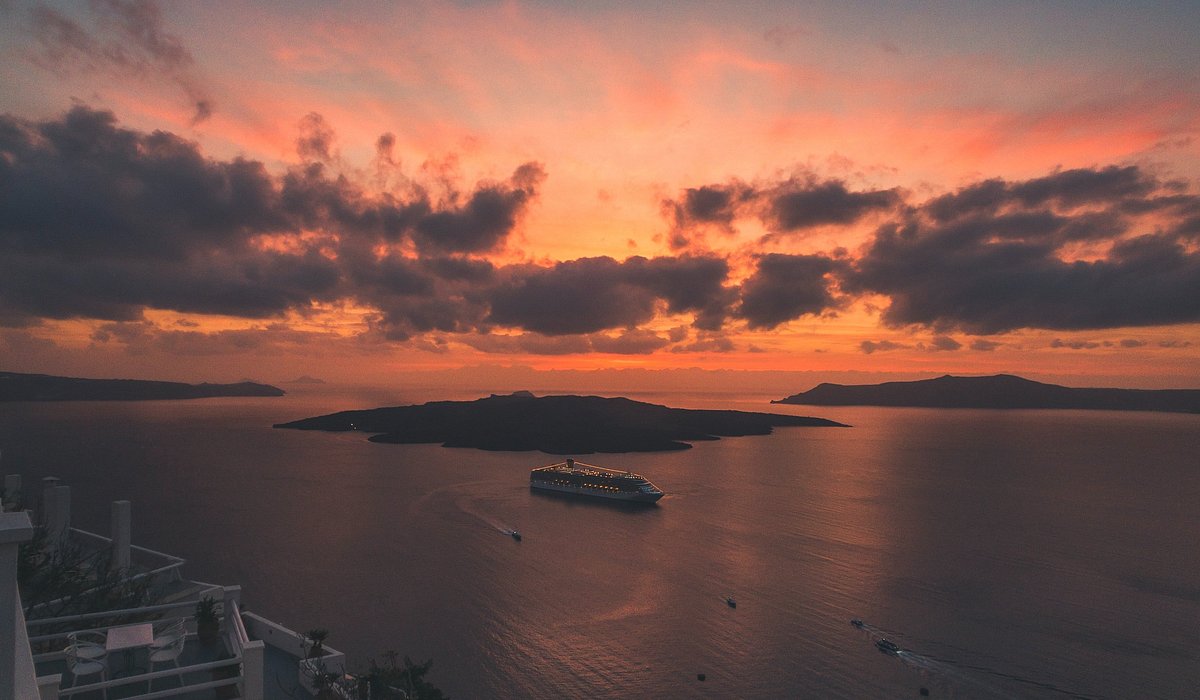
School schedules drive much of the peak season rush—families have little choice but July-August. But the bigger culprit is conventional travel advice that treats "hot weather" and "best time" as synonyms. Santorini's weather is excellent from late April through October. The difference isn't the climate; it's whether you're competing with 17,000 cruise passengers for space on a 35-square-mile island.
Social media amplifies the myth. Instagram's algorithm favors summer posts when most people travel, creating a feedback loop where July-August content dominates feeds. Travelers assume peak popularity equals peak experience, not recognizing that Santorini's popularity has exceeded its capacity. The island implemented visitor caps precisely because peak season had become untenable—yet travelers keep booking it.
Conclusion
The Santorini sunset looks the same in September as it does in August. The difference is whether you watch it squeezed into Oia's alleys with thousands of others or from a relatively quiet viewpoint where you can actually enjoy it. Peak season isn't peak experience—it's peak problems. The shoulder seasons of late April through May and September through early October deliver better weather than most of Europe sees all year, warm swimming conditions, full services, and the space to actually appreciate what makes Santorini special. Skip the crowds. Show up when the island can breathe.