


The Real Story Behind Parmigiano-Reggiano's Three Grades

Every year, approximately 4 million wheels of Parmigiano-Reggiano roll through inspection rooms across northern Italy. But here's what most consumers never learn: not all of them make it. At the 12-month mark, 25 battitori—master graders employed by the Consortium—tap each wheel with specialized hammers, listening for internal defects. They have roughly 10 seconds per wheel to decide its fate.
The result? Three categories that determine whether a €500 wheel of cheese keeps its prestigious name or gets unceremoniously stripped of its identity.
When Medieval Monks Met Modern Bureaucracy
The Parmigiano-Reggiano Consortium was founded in 1928, but the certification system didn't crystallize until 1955, when Italian Executive Order No. 1269 established strict legal definitions. Before that, cheese producers across Parma and Reggio Emilia argued over naming rights—should it be "Parmigiano" or "Reggiano"? The compromise: both. The regulations: intense.
The 1955 order stated that only cheese produced in the designated region and meeting specific characteristics could bear the Parmigiano-Reggiano name. What followed was an escalating system of quality control that would make medieval monks—who originally created this cheese in the 12th century—marvel at the bureaucracy.

What Actually Happens at the 12-Month Inspection
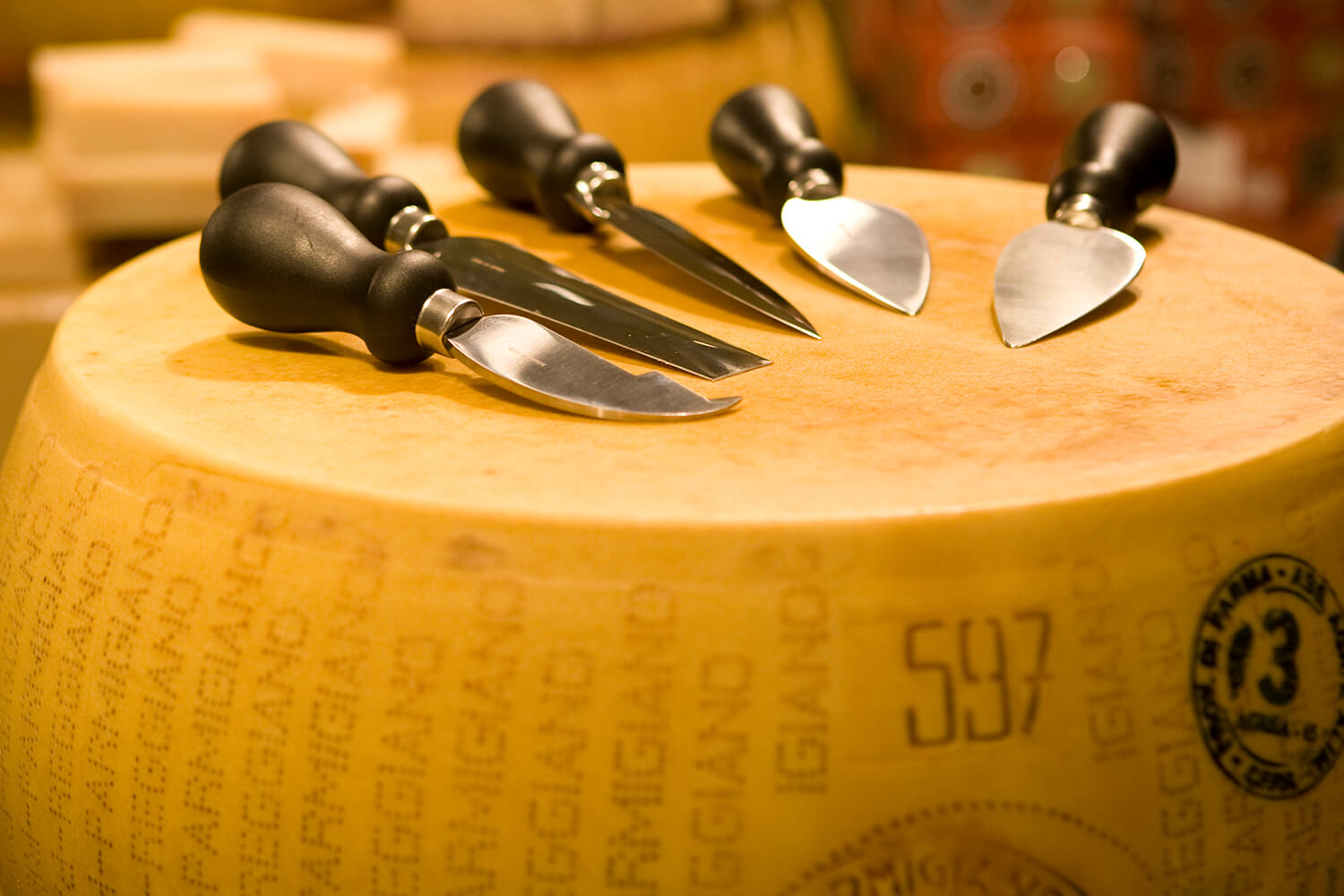
Davide Campana, a battitore with 17 years of experience, inspects 1,000-1,500 wheels daily. The process hasn't changed in decades: tap the wheel with a specialized hammer (made from a proprietary alloy and passed down from battitore to battitore), listen to the sound, interpret what's happening inside a 38-kilogram cheese without cutting it open.
There are currently 25 battitori total, and they must examine over 4 million wheels each year. Do the math: that's about 160,000 wheels per battitore annually. The training process takes at least six years—three years as an apprentice, three more as a junior battitore before becoming senior. No formal schools exist for this profession.
The Consortium has tried to automate the process. A recently designed electronic hammer can assess quantitative characteristics in 20 seconds, but it cannot recognize organoleptic qualities. Translation: machines can detect cracks, but they can't predict how the cheese will taste in another 12 months.
The Three-Tier Reality
Here's what the battitore decides:
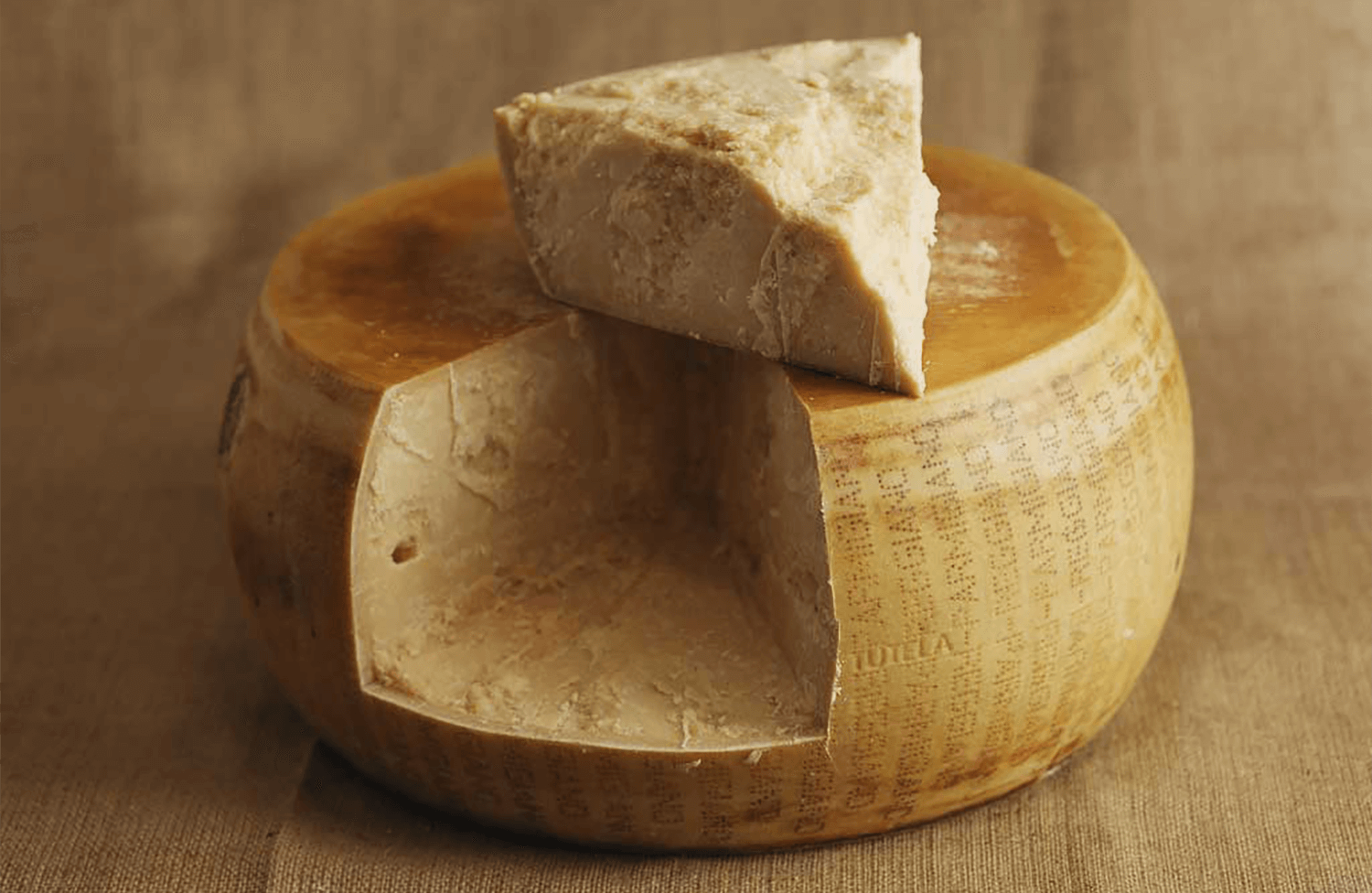
First Grade: Compact texture, features compliant with specifications, suitable for long maturation. Gets the oval fire-branded mark. Can age to 24, 36, or even 100+ months. This is what you see at specialty cheese counters.
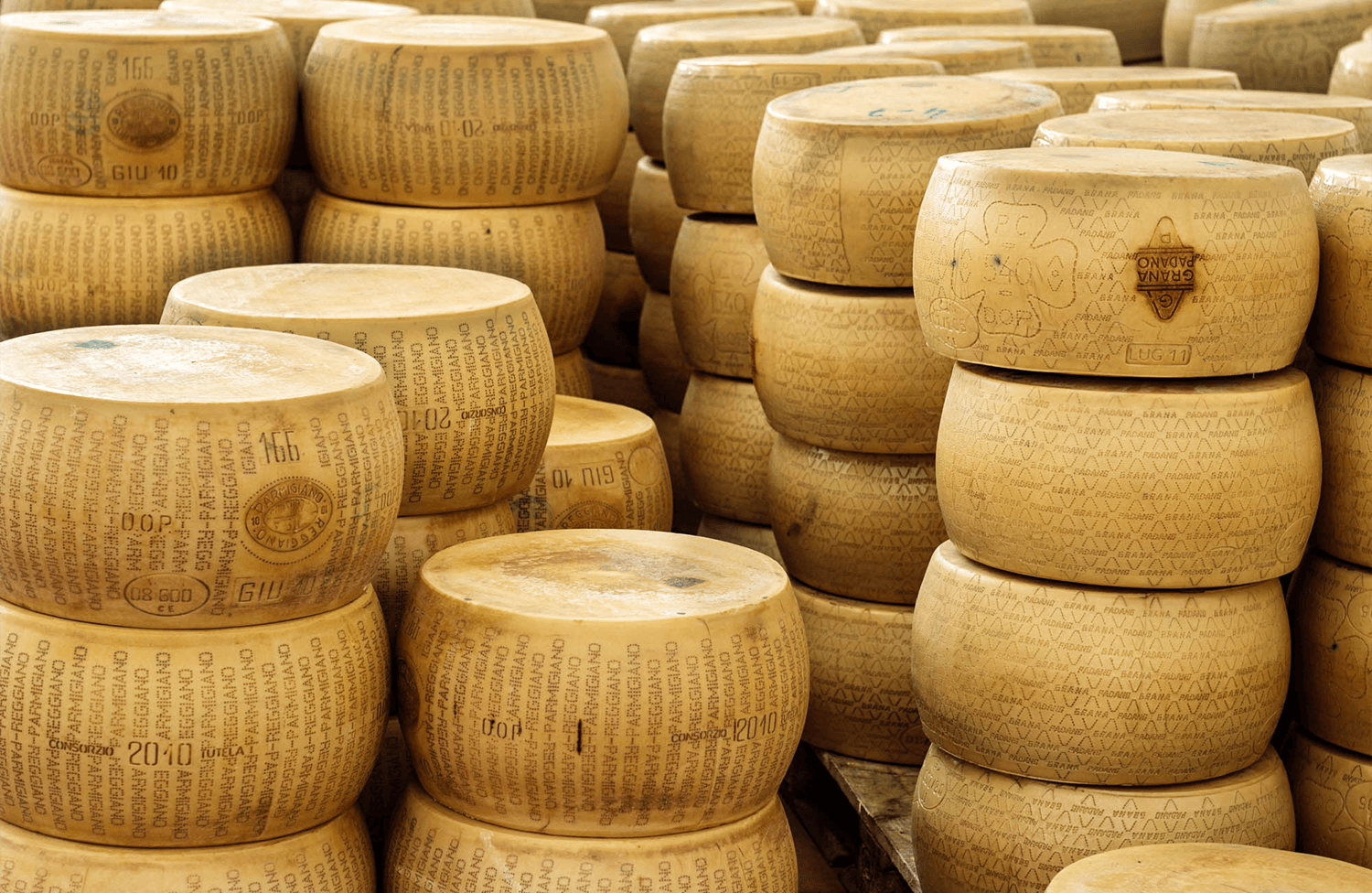
Second Grade (Mezzano): Minor or moderate defects in structure or rind that don't alter typical characteristics. Still gets branded "Parmigiano Reggiano," but the rind is marked with parallel grooves all the way around. Best eaten young. Ideal for table cheese, less ideal for long aging.
Third Grade (Downgraded): Major defects result in the marks of origin being removed by scraping off a few millimeters of rind. This cheese cannot be labeled as Parmigiano and usually bears no name. The Parmigiano Reggiano imprint is scraped off and it's sold simply as Italian cheese.

The Uncomfortable Economics
The Consortium doesn't publish rejection statistics, which raises questions. How many wheels fail? Where does downgraded cheese actually go? Some downgraded cheese may be used in processed products or ingredients that don't require PDO standards.
In 2024, Parmigiano-Reggiano generated €3.2 billion in turnover. The average price for 24-month aged cheese climbed to €12.50 per kilogram in 2024, a 5% increase over 2023. Meanwhile, wheels leave the dairy at €17 per kilogram but retail in the US for $45-49 per kilogram.
Is the strict grading protecting quality or creating artificial scarcity? Both, probably. The system ensures consistently high standards—no one wants Parmigiano-Reggiano with air pockets. But it also maintains premium pricing by limiting supply. Medium-grade wheels exist but rarely appear in export markets, suggesting a two-tier system: premium for international buyers, acceptable for locals.
Why the US Should Care
The United States is Parmigiano-Reggiano's largest export market, and exports now account for 48.7% of total sales. In 2024, the US represented 22.5% of total overseas sales. This matters because tariffs on Parmigiano-Reggiano rose from 15% to 25% in April 2025, with American consumers absorbing the cost.
The Consortium's response? Double down on quality messaging. Consortium president Nicola Bertinelli argues that Parmigiano-Reggiano doesn't compete with American parmesan—"these are entirely different products". He's not wrong. A 2021 report found that 90% of "Italian sounding" cheese sold as parmesan in the US was produced domestically.
What This Reveals About Food Politics
The grading system crystallizes a larger tension in global food trade: tradition versus efficiency, artisan production versus industrial scale. Only 20-25 people in the world can officially grade Parmigiano-Reggiano. In 2024, for the first time in 90 years, a woman joined their ranks.
That's either romantic dedication to craft or an unsustainable bottleneck, depending on your perspective. The reality? It's working economically—production remained stable at 4.079 million wheels in 2024, up 1.62% from 2023—but it raises questions about scalability.
The three-grade system wasn't designed to be controversial. It was designed to maintain standards in an industry that's been making essentially the same product for 900 years. But when medium-grade wheels get branded with grooves and quietly sold to locals while first-grade wheels command premium prices internationally, it's fair to ask: who decides what's "good enough," and who profits from that decision?
For American consumers paying $50 per kilogram, the answer matters.