


The Kursaal's 143-Year Wait: Why Interlaken Built a Casino That Couldn't Legally Gamble

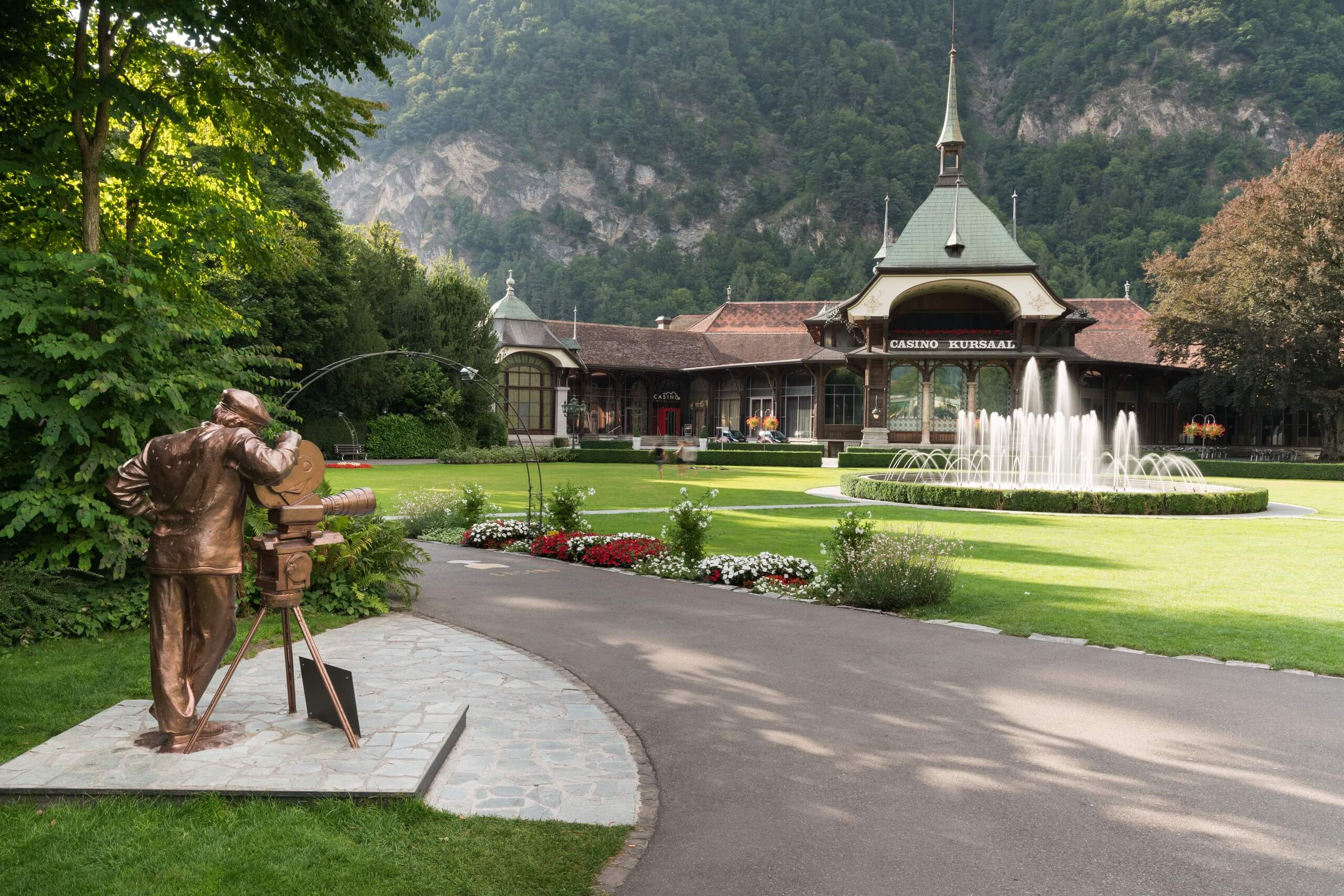
In July 1859, Baron Azène du Plessis opened Interlaken's grand new Kursaal with gambling tables and a spectacular view of the Jungfrau. Thirty days later, the Swiss cantonal government banned all games of chance, and the Baron fled Interlaken. For the next 143 years, the building marketed itself as a casino while being legally prohibited from offering actual casino gambling. It's one of Europe's stranger tourism contradictions—and it says something revealing about how Switzerland balances moral objections with economic necessity.
The One-Month Casino
The original Kursaal was a wooden structure built on the site of a former monastery, combining a whey spa (which opened in 1859) with gambling rooms designed to attract Belle Époque tourists. Du Plessis had invested his own money in the project, betting that Interlaken's stunning mountain setting would make it Switzerland's answer to Monte Carlo. The August 1859 ban destroyed that vision instantly. The Baron's hasty departure left the town holding a beautiful but functionally useless casino building.
Rather than abandon the structure, Interlaken found a loophole. In 1883, the Kursaal introduced "petits-chevaux"—a mechanical gambling device where miniature metal horses on jockeys spun around concentric circular tracks, and players bet on which would stop nearest a marked goal. Because the game involved a mechanical device rather than cards or roulette wheels, Swiss authorities grudgingly permitted it. By 1885, petits-chevaux generated CHF 15,000 in net profit; by 1929, after being reintroduced following another ban, it earned CHF 118,000. Not casino money, but enough to keep the lights on.
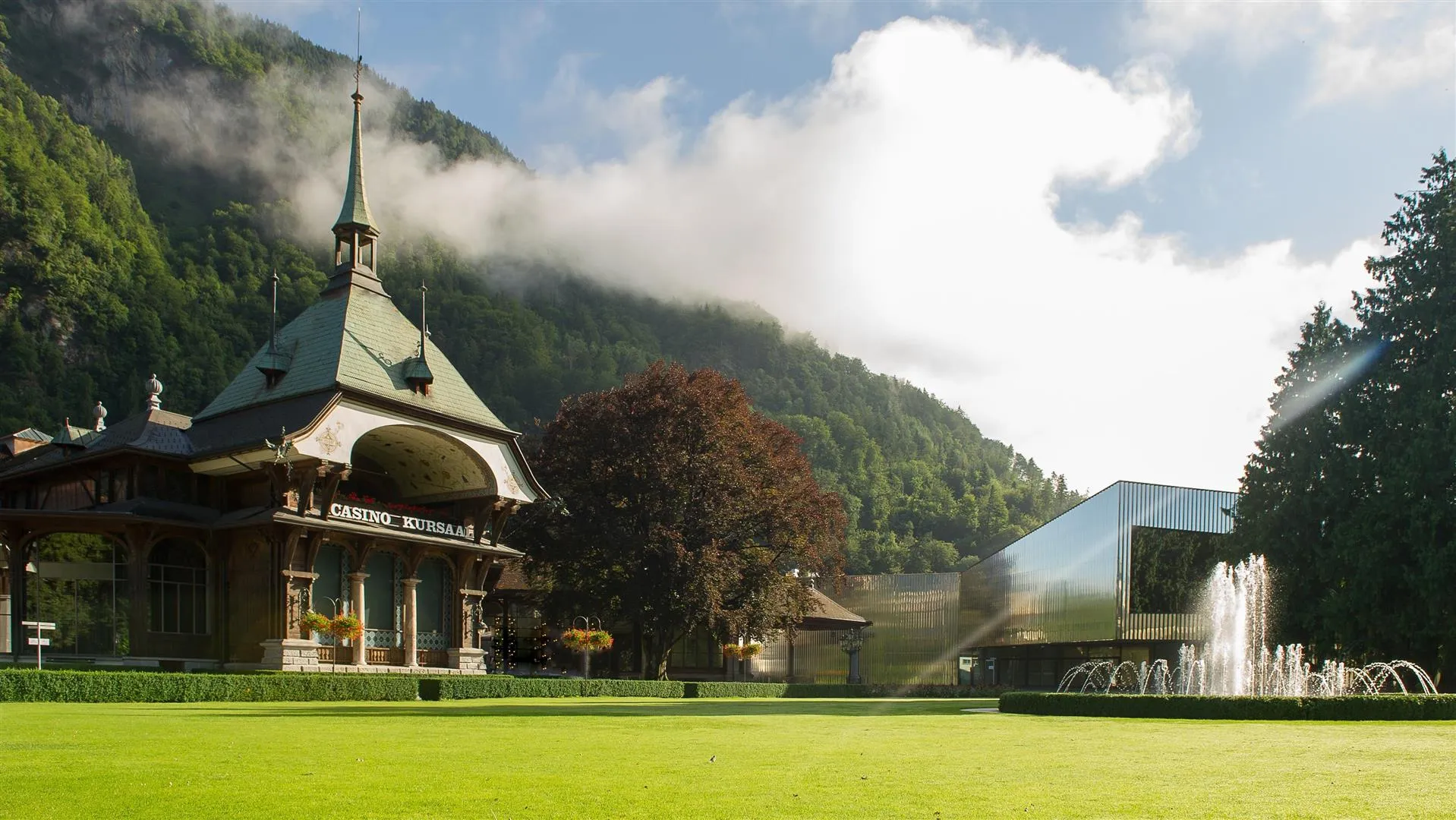
Between 1902 and 1909, architect Paul Bouvier rebuilt the Kursaal in grand Belle Époque style—ornate domes, Bernese curved gables, sumptuous concert halls. His 360 architectural plans (some featuring gold paper and stuck-on chandeliers) show a vision of palatial entertainment. But the building's core business remained limited: orchestral concerts, whey treatments, and that spinning horse game. Interlaken marketed itself as a casino town while operating what was essentially an elaborate arcade.
From Pension Crisis to Full Legalization
Switzerland's 143-year gambling ban finally cracked for purely financial reasons. In 1992, federal debt constraints created pressure to find new revenue sources. The following year, Swiss voters overwhelmingly approved lifting the constitutional gambling ban—not because moral attitudes had shifted, but because the country needed money for its old-age pension system. The Gambling Houses Act came into force in April 2000, and in 2002, Interlaken finally received a proper casino license.
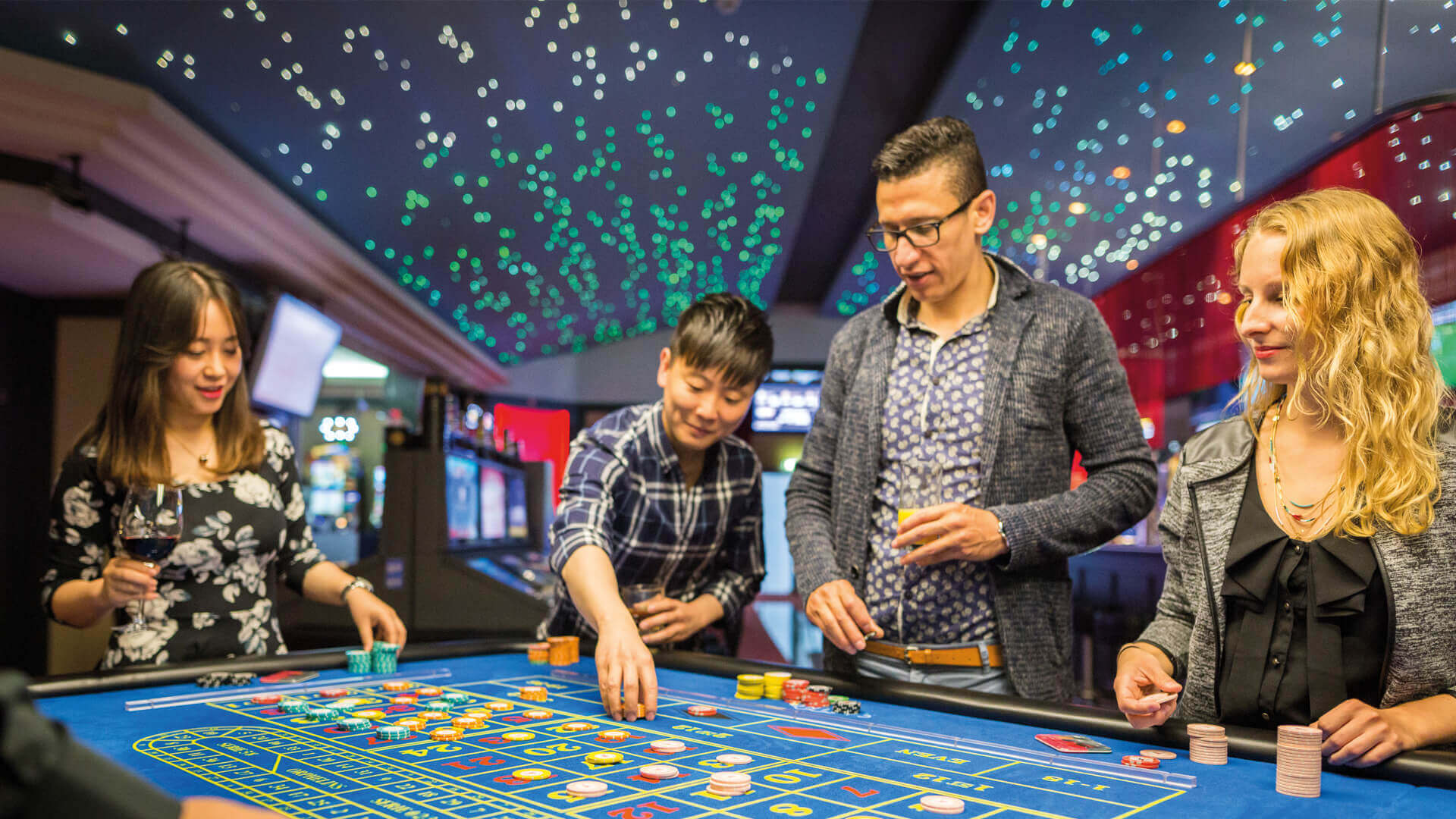
Since 2002, Swiss casinos have collectively paid CHF 7.309 billion in taxes, with CHF 6.253 billion funding the national pension insurance. Interlaken's casino now attracts 90,000 visitors annually to its 131 slot machines and table games (American Roulette, Blackjack, Ultimate Texas Hold'em). The CHF 5 entry fee gets you access to gaming floors that would have scandalized 19th-century legislators—but would have delighted Baron du Plessis.
The Digital Pivot
Then came 2020. Casino Interlaken launched StarVegas.ch, an online gambling platform run on Greentube technology and owned by Casinos Austria International. The historic spa casino that couldn't legally offer gambling for 143 years now operates a 24/7 digital casino accessible to anyone in Switzerland with an internet connection. StarVegas offers over 250 games—far more than the physical building ever could.
This creates an odd inversion: the Kursaal's grand Belle Époque architecture and manicured gardens now function primarily as marketing atmosphere for the real business, which happens on smartphones. The building that was designed for in-person social gambling in 1859 now serves as a Swiss licensing anchor for remote digital betting. Visitors to the physical casino today are increasingly tourists who want photos in the garden (which features a statue of Bollywood director Yash Chopra, who filmed there extensively) rather than serious gamblers.
What Changed—and What Didn't
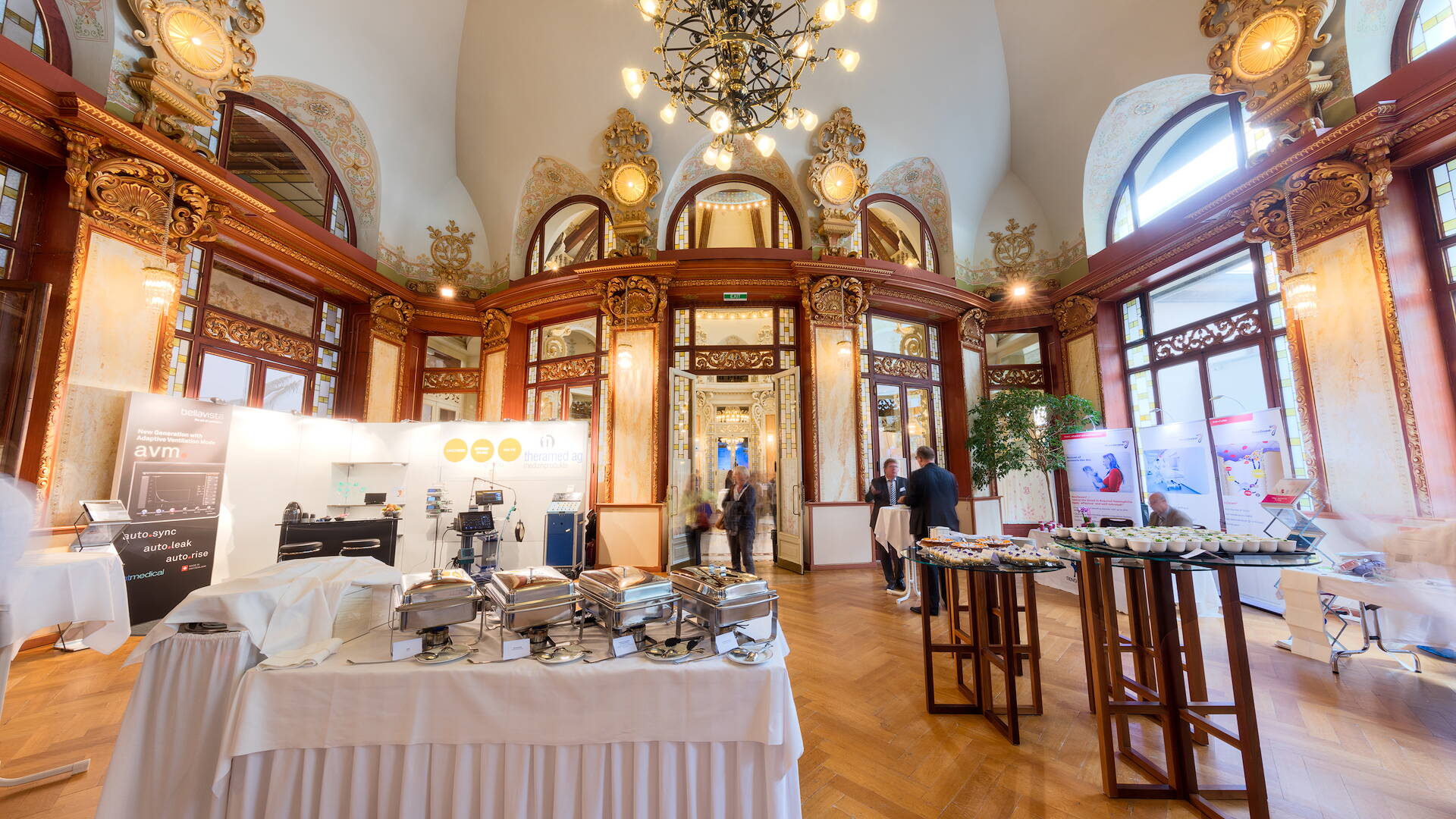
Switzerland's gambling laws evolved because the state needed revenue, not because Swiss citizens fundamentally changed their minds about gambling's morality. The 2000 legislation included strict player protection measures, mandatory exclusion programs, and heavy taxation—all designed to extract maximum economic benefit while minimizing social harm. Interlaken's casino survived its 143-year prohibition precisely because it kept finding revenue loopholes: whey spa treatments, concert ticket sales, petits-chevaux profits, and eventually congress center rentals.
The Kursaal's story reveals how tourism infrastructure can outlive its original purpose through constant reinvention. The building has been a spa, a pseudo-casino, a concert hall, a conference center, and now an online gambling brand headquarters—whatever kept it financially viable during each era of Swiss law. What looks like a casino history is actually a case study in adaptive reuse, where "casino" was the marketing label but never the full economic reality until very recently.
For travelers, the modern Kursaal offers a peculiar experience: you pay CHF 5 to enter a grand 19th-century building to play slots that are identical to what's available on your phone through StarVegas. The gardens are lovely, the architecture impressive, but you're essentially paying for atmosphere. Which is fitting—for 143 years, atmosphere was all the Kursaal was legally allowed to sell.