


The Complicated Ethics of Bringing Gifts to Bedouin Communities

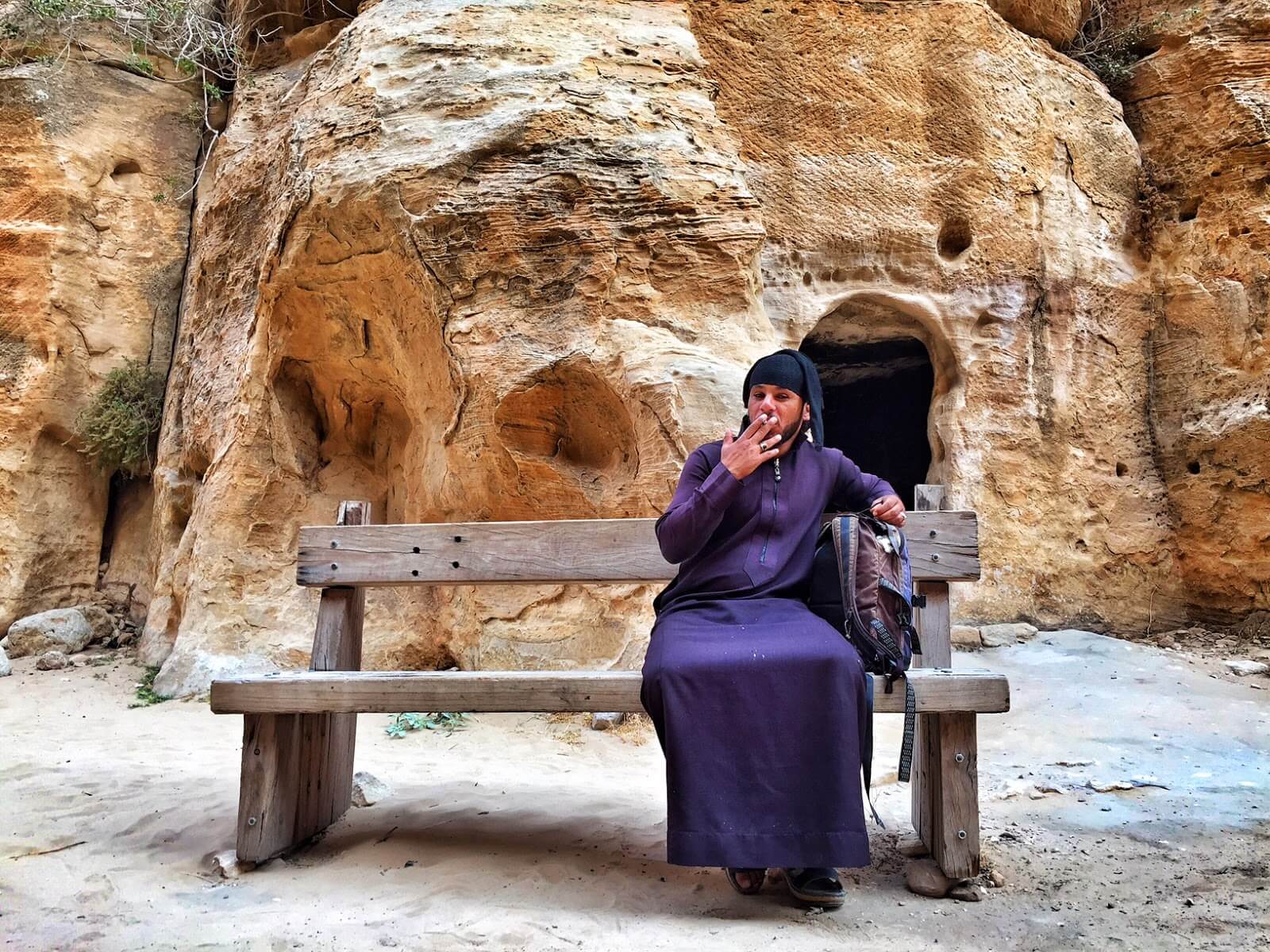
When you're preparing for a desert tour in Wadi Rum, somewhere between packing your sunscreen and downloading offline maps, you might ask yourself: should I bring gifts for my Bedouin hosts? It seems like a thoughtful gesture—a way to say thank you, to acknowledge the hospitality you'll receive, maybe to give back a little. But here's where things get uncomfortable: that simple question opens a trapdoor into much deeper issues about power, economics, and what we actually mean when we talk about "cultural exchange."
The truth is, gift-giving to Bedouin communities exists in a weird liminal space where good intentions collide with colonial histories, where generosity morphs into condescension, and where a bag of coffee beans can mean something completely different depending on who's holding it.
The Historical Weight of Hospitality
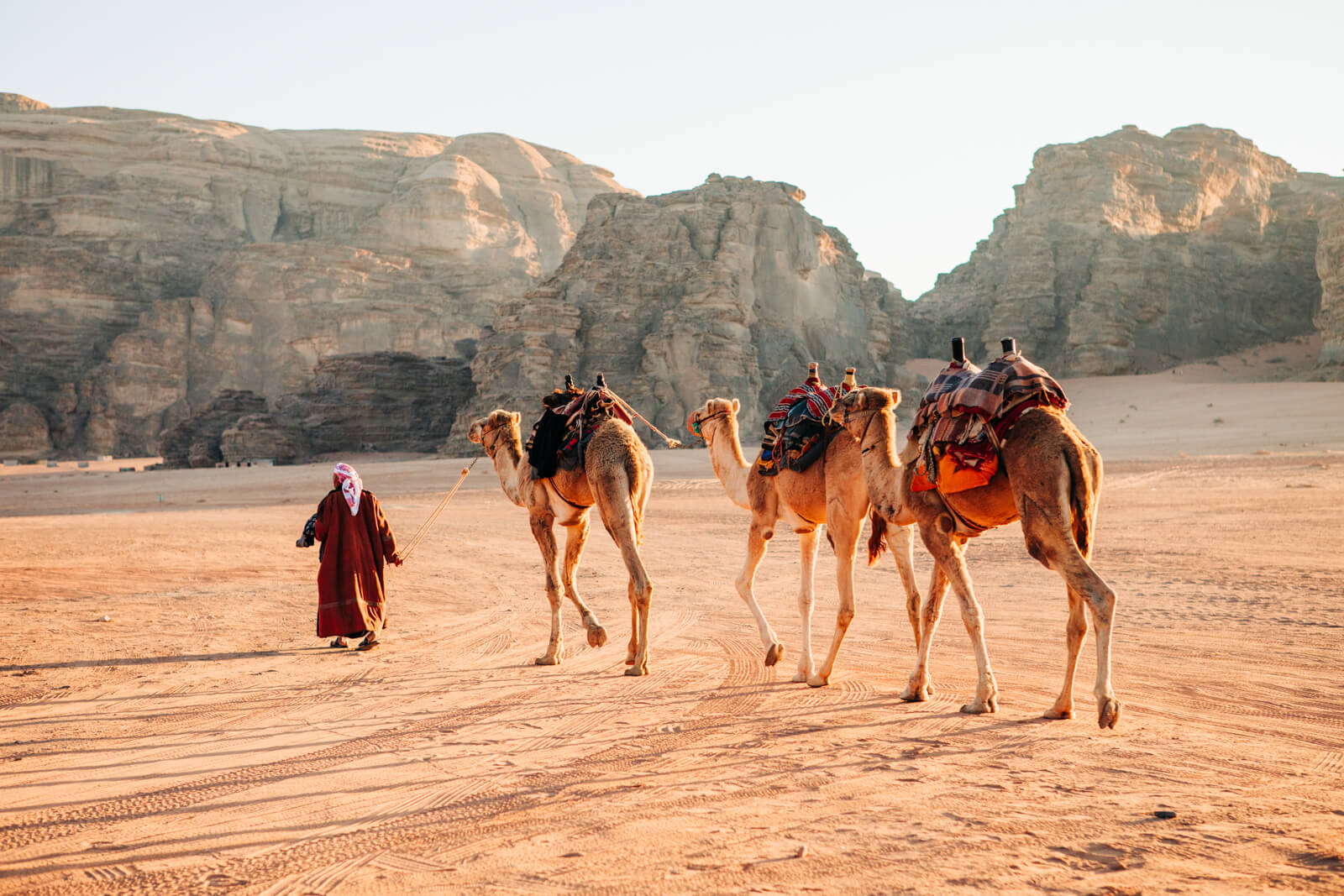
To understand why this gets complicated, you need to grasp what hospitality means in Bedouin culture. This isn't the Western "thanks for having me over" model. In traditional Bedouin society, documented extensively by ethnographer H.R.P. Dickson in the early 20th century, hospitality—diyafa—was a sacred duty so fundamental that even enemies had to be sheltered and fed for three days without question. The famous "three-day guest law" meant strangers could arrive, be welcomed with Arabic coffee and dates, and not be asked about their purpose for 72 hours.
Here's the critical part: in traditional Bedouin culture, gifts were mandatory on both sides. When guests departed, hosts would present them with coffee, rice, cloth—items reflecting the practical needs of desert life. And this wasn't charity; it was a complex social contract that created bonds and obligations between tribes. Refusing a gift was essentially declaring you feared being unable to reciprocate, which was tantamount to admitting social inferiority.
But that system emerged in a context where power was relatively balanced—desert tribes interacting with other desert tribes, British officials navigating diplomatic relations with tribal leaders. Everyone understood the rules. Everyone could, theoretically, reciprocate.

Tourism Changed Everything
Fast-forward to 2024. According to recent tourism data, places like Wadi Rum receive hundreds of thousands of visitors annually. What was once a survival mechanism—welcoming strangers because you might be that stranger tomorrow—has become a business model. Bedouin families run camps, guide tours, cook traditional meals, and yes, still offer coffee in that ritualized three-cup serving.
The relationship has fundamentally shifted. You're no longer a stranger seeking shelter in harsh conditions; you're a paying customer. Your Bedouin guide isn't offering hospitality out of tribal obligation; he's running a business that supports his family. Some operations, like those run by families such as the Dakhilala brothers in Wadi Rum, explicitly frame their work as "ecotourism" that protects desert traditions while adapting to economic reality.
So when you show up with gifts, you're not participating in ancient reciprocal exchange. You're layering a gesture of charity onto an already-transactional relationship. The power dynamics are completely inverted from the traditional model.
The Anthropology Says It's Complicated
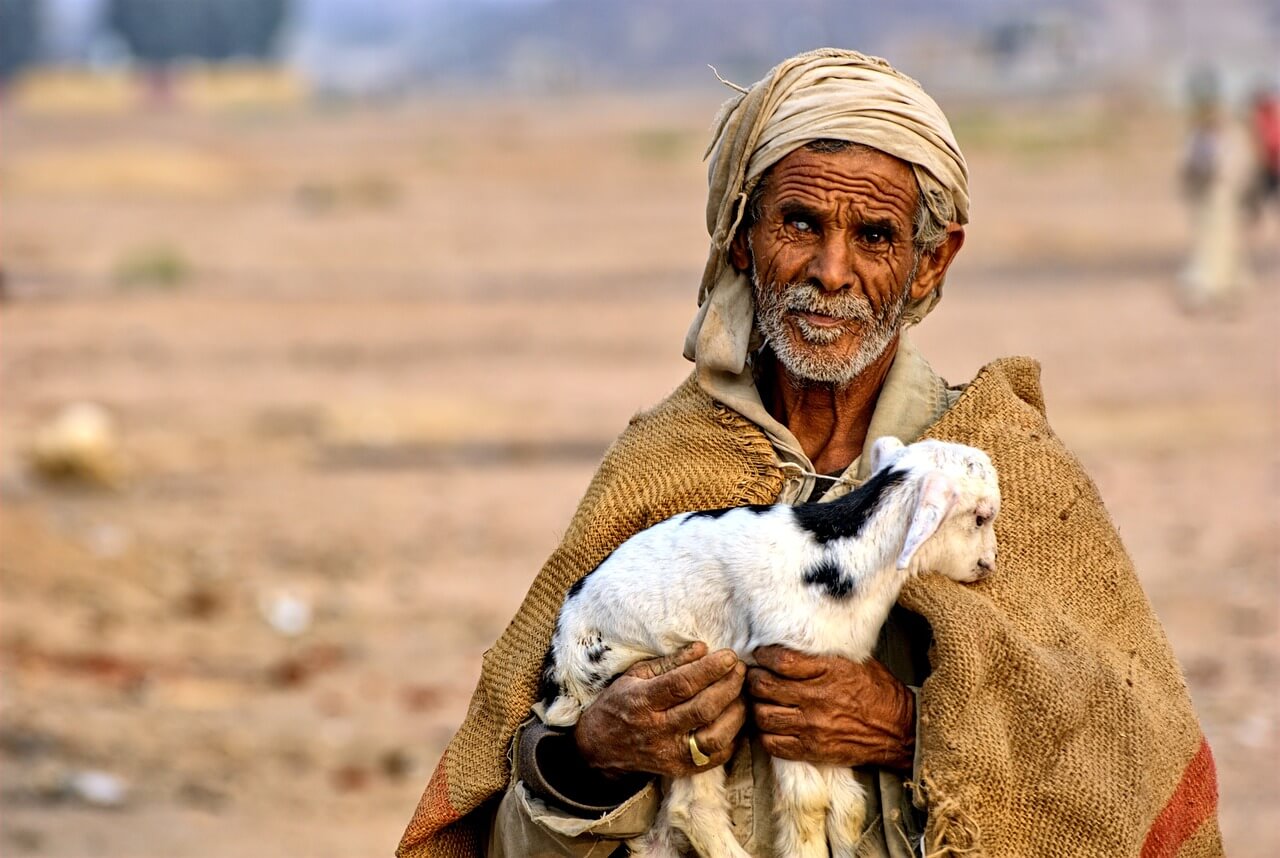
Anthropologist Marcel Mauss wrote in 1925 that all gift-giving creates hierarchies. The giver holds power; the recipient feels obligated to reciprocate. In contexts where reciprocation is impossible or inappropriate, that obligation can feel humiliating rather than honoring. You can see this tension in academic research on voluntourism, which has exploded as a topic of critical study since 2020. Scholars consistently identify the same problem: well-meaning visitors from wealthy countries arriving with donations often reinforces "savior complex" dynamics that position locals as helpless and visitors as benevolent rescuers.
A 2024 analysis of voluntourism practices found that despite good intentions, such programs frequently "perpetuate unequal power dynamics" and create dependency rather than sustainable development. The same logic applies to gift-giving in tourism contexts. When you arrive with items for your Bedouin hosts, you're making an implicit statement: you have; they need. Even if that's technically true—and it often is, given economic disparities—it centers your generosity rather than their agency.
What Bedouin Hosts Actually Say
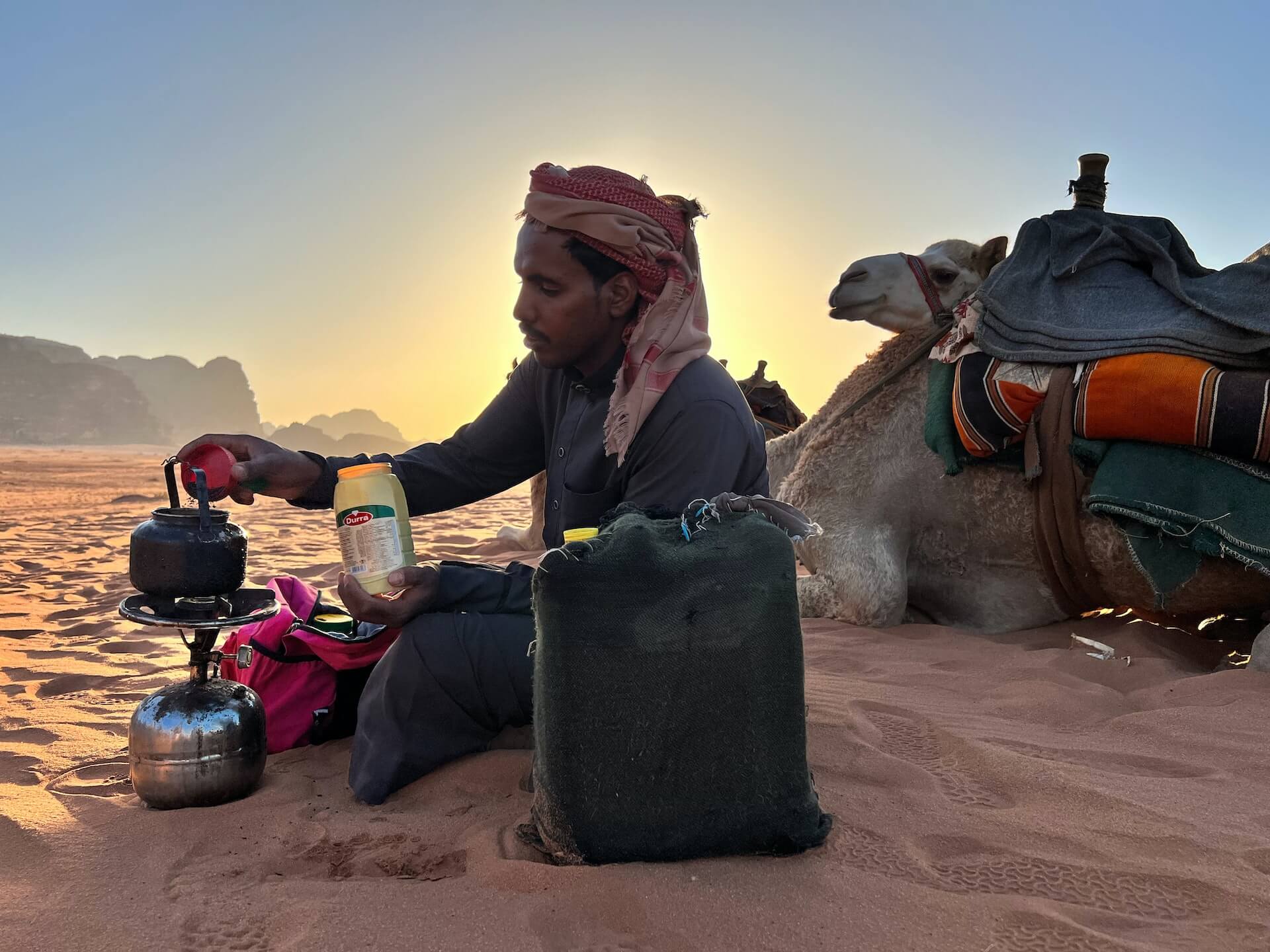
Here's where we run into a research gap. Most writing about Bedouin tourism comes from travelers or anthropologists, not from Bedouin guides themselves. The few times guides' voices appear in reviews and travel accounts, they emphasize knowledge-sharing and cultural pride rather than material exchange. Guides like Saleh, Rakan, and Atallah in Wadi Rum are consistently praised for teaching visitors about desert survival, traditional cooking, and Bedouin history. The relationship they're building is educational, not charitable.
One telling detail: multiple tour operators mention not requesting prepayment and handling all transactions transparently. This suggests an awareness that being treated as equals in a business transaction—rather than recipients of charity—matters. When someone posts a glowing review saying their guide "treated us like family," they mean they felt welcomed into a home, not that they felt like benefactors visiting the disadvantaged.
The Dubai Paradox
It gets even more complicated when you look at commercialization. In Dubai and other Gulf cities, "Bedouin hospitality" has become a tourism product—luxury desert camps where you pay hundreds of dollars to experience "authentic" traditions. Academic research on this phenomenon identifies what one scholar calls "Kan Zamanization" (roughly: "once upon a time-ification"), where marketing traditional hospitality strips it of its sacred meaning. You can't commodify diyafa and still call it diyafa.
But that critique sometimes veers into romanticizing poverty. Just because tourism changes traditional practices doesn't mean Bedouin communities haven't actively chosen to engage with it on their own terms. Many guides explicitly prefer sustainable, small-scale tourism that preserves their connection to the desert while providing income. That's not cultural corruption; that's adaptation.
So What's the Answer?
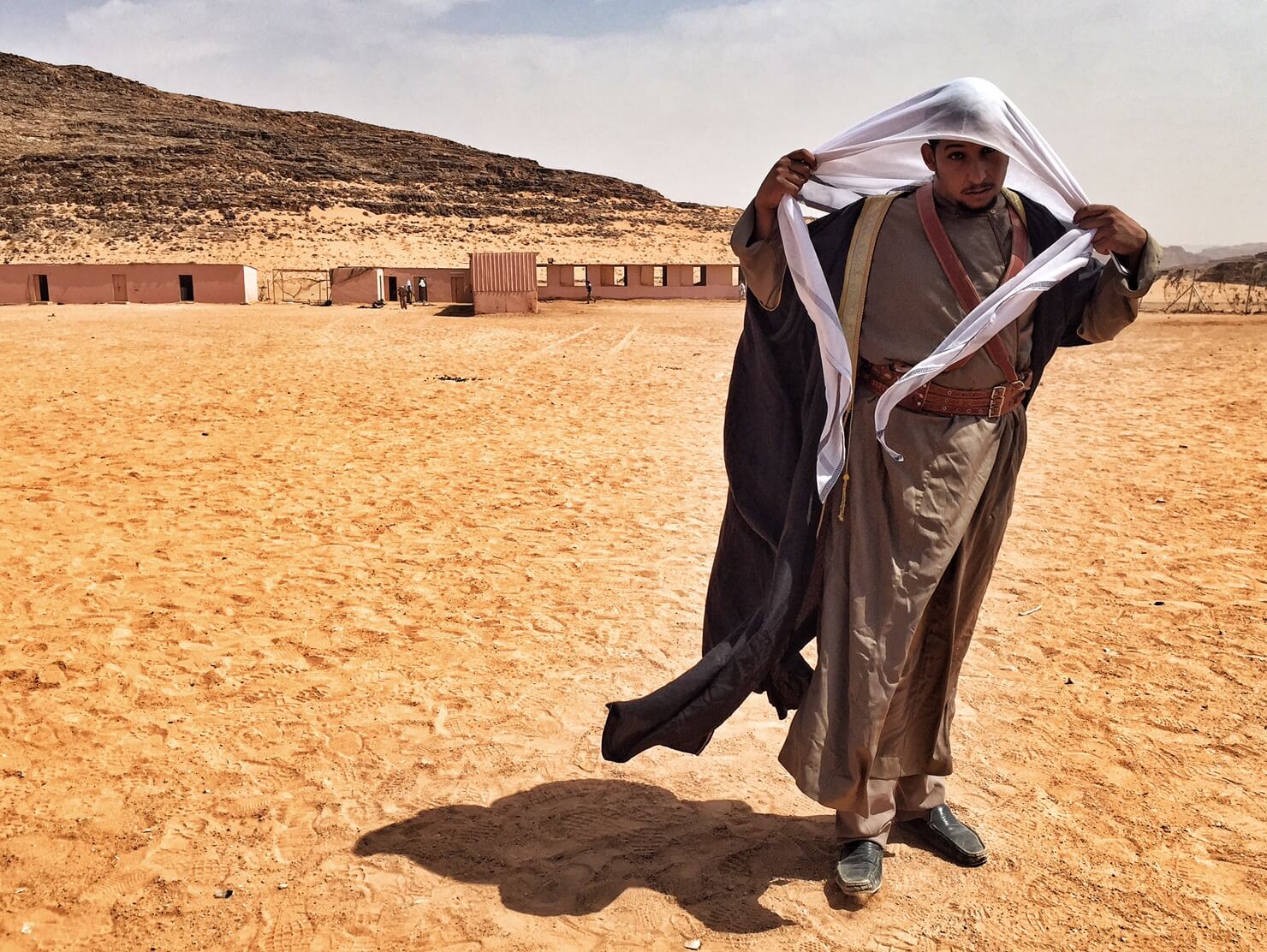
Here's what the research and Bedouin operators' own practices suggest: the best "gift" you can bring is probably nothing at all—at least not in the traditional sense. Pay fairly for services. Tip generously if you feel service exceeded expectations. Book directly with Bedouin-run operations rather than large tour companies that extract most of the profit. Leave honest reviews that send more customers their way.
If you absolutely must bring something tangible, make it practical and universally useful: quality tea (Arabs drink vast amounts), premium coffee, or items requested by your specific guide. But more importantly, bring genuine interest. Learn a few Arabic phrases. Ask questions about desert ecology, tribal traditions, current challenges. Treat your guide as the expert he is, not as a picturesque element of your vacation.
The most ethical approach might be the most uncomfortable one: accepting that you can't resolve the power imbalance through a gift. You're a tourist; they're service providers. That relationship is inherently unequal economically, but it doesn't have to be condescending. You can be a respectful guest who pays what services cost and engages with authentic curiosity, rather than a benefactor distributing largesse.
Because ultimately, the question isn't "what gift should I bring?" The question is: "am I trying to solve my discomfort about economic inequality through a gesture that makes me feel better but doesn't address the actual problem?" That's harder to answer honestly. But it's the right question.