


5 LA Sushi Traditions That Completely Flipped in the Last 5 Years

LA's sushi scene spent decades perfecting the art of exclusivity—hidden addresses, impossible reservations, reverent silence. Then, around 2019, something shifted. The new wave doesn't care about your patience or your formal dining manners. Here's how LA sushi culture did a complete 180.

1. Reservations: From Monthly Releases to Walk-Up Waitlists
Then: Traditional omakase spots like Morihiro and Sushi Sonagi released reservations on 30-day rolling schedules at specific times—often midnight—and seats disappeared in minutes. Miss the window? Wait another month.
Now: Yunomi Handroll, which opened in DTLA's Arts District in November 2019, ditched reservations entirely. You join a digital waitlist, grab one of 24 counter seats, eat your handrolls in under 45 minutes, and leave. The model caught on fast—they've since opened in Culver City and Toluca Lake.
2. Seating: From Quiet Reverence to Standing Room Energy
Then: You sat at a hushed 10-seat counter for 2-4 hours while the chef presented each piece with ceremony. Conversation stayed low. The experience felt like entering a temple.
Now: Counter bars operate at bar height with high stools or standing room. The mood is moody and dark but buzzing with energy. Chefs hand you rolls as soon as they're finished. It's closer to a craft cocktail bar than a shrine.
3. Pricing: From Mystery to Menu Transparency
Then: Most high-end omakase didn't post prices upfront. You'd find out the damage ($150-$950 per person in 2022) only after committing to the experience. The "trust me" model extended to your wallet.
Now: Prices appear on posted menus and websites. No surprises. This transparency extends across the new casual wave—handroll bars list every item with prices. You know exactly what you're spending before you sit down.
4. Location: From Hidden Gems to Instagram Architecture
Then: The best spots hid on third floors of malls or behind unmarked doors. Part of the prestige was knowing where to find them. Sushi Park famously lacks any online presence beyond its infamous "No Trendy Sushi" sign.
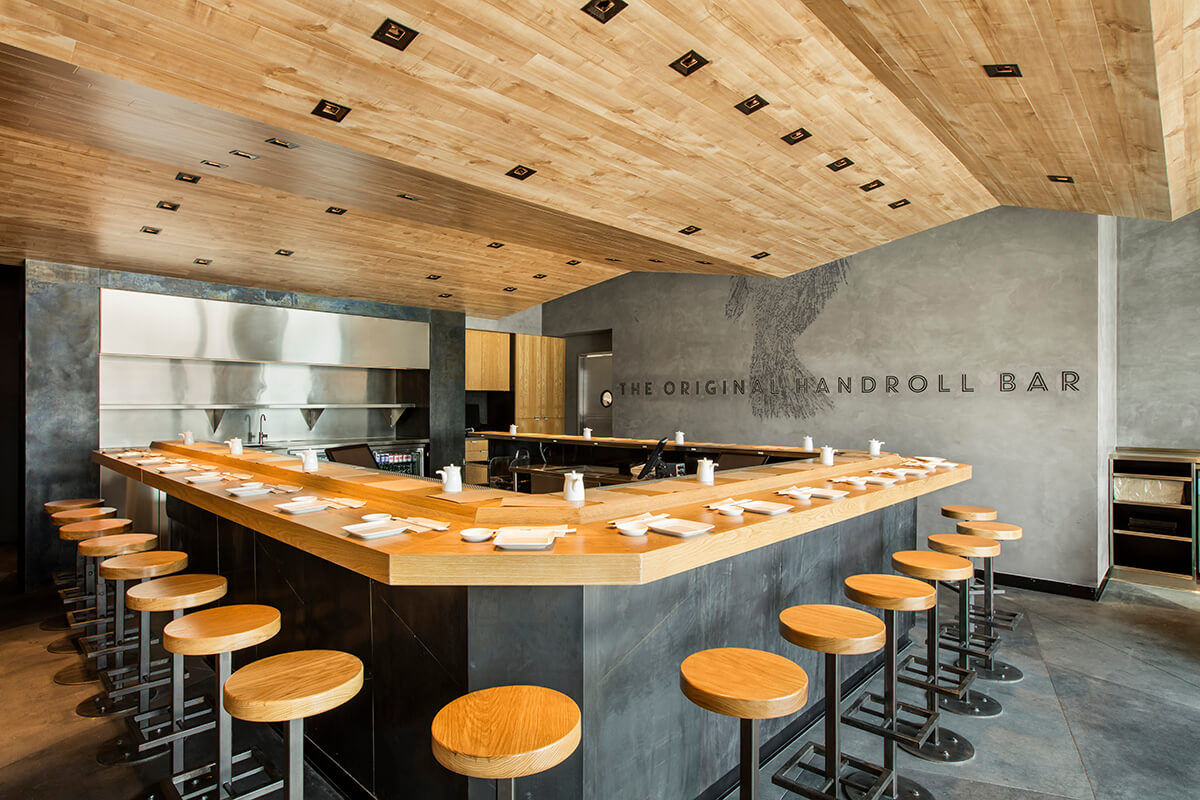
Now: The new spots are designed for Instagram—minimalist counters, dramatic lighting, shareable plates. Yunomi's pared-down aesthetic and "moody" interior spawned thousands of tagged photos. The space is the marketing.
5. Speed: From 3-Hour Ceremonies to 45-Minute Rotations
Then: Omakase was an evening commitment. Courses arrived slowly. You'd spend 90-180 minutes savoring 15-20 pieces of nigiri, plus appetizers and tea service. Rush it and you'd insult the chef.
Now: Fast-casual handroll bars pioneered by KazuNori and perfected by Yunomi turned sushi into quick service. Michelin recognition doesn't mean long waits anymore—it means exceptional fish served efficiently. Get in, eat well, get out.
The shift isn't about quality dropping—Yunomi earned Michelin recognition in 2022 and 2023. It's about rejecting the gatekeeping. The new LA sushi culture keeps the premium ingredients but loses the pretense. Sometimes progress tastes like a perfectly crisp handroll, eaten standing up, for less than $100.