


5 Alpine Towns Within 30 Minutes of Arco That Most Climbers Never Visit

You've sent your project at Massone. You've ticked routes at Calvario. Between climbing sessions in Arco, there's an entire region of alpine towns that most climbers drive past without stopping—and they're all closer than the nearest pizza place.
Tenno and Lake Tenno
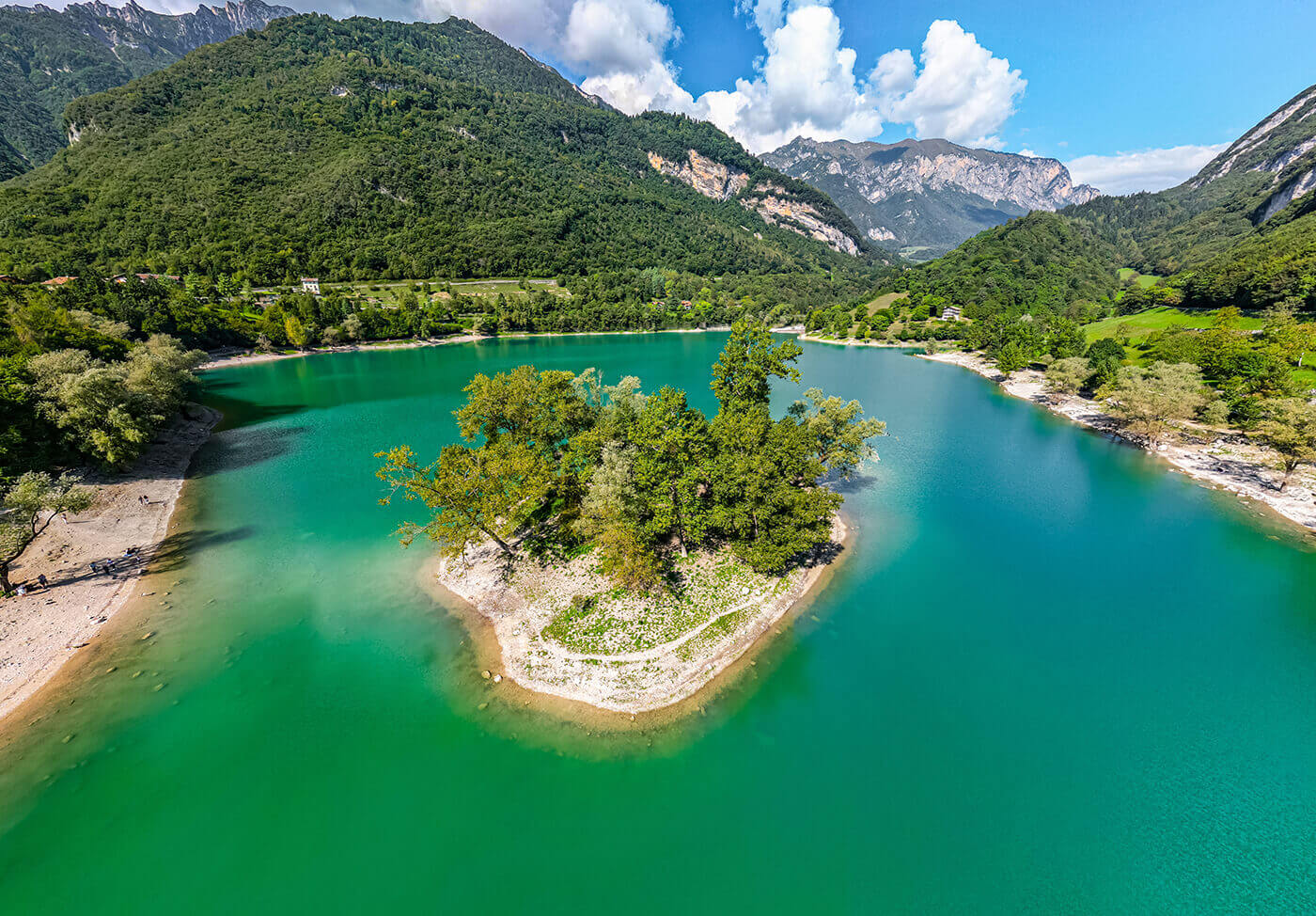
Thirteen kilometers from Arco, Lake Tenno sits at 570 meters elevation with water so blue it earned its own Pantone nickname: "Blu di Tenno." In 2025, the lake won Italy's Blue Flag award for water quality—which means you can actually swim here without wondering what's in the water. Parking costs €5 for three hours, then it's a 7-minute walk down (rocky, so skip the flip-flops) to the lake.
The medieval village of Canale di Tenno is a 20-minute walk from the lake through pine forest. It's officially one of Italy's "Most Beautiful Villages," which sounds like marketing until you see the 13th-century stone alleyways that are genuinely car-free because they predate cars by 600 years. The Casa degli Artisti hosts rotating exhibits from artists who've used the village as a retreat since the 1960s.
Molina di Ledro
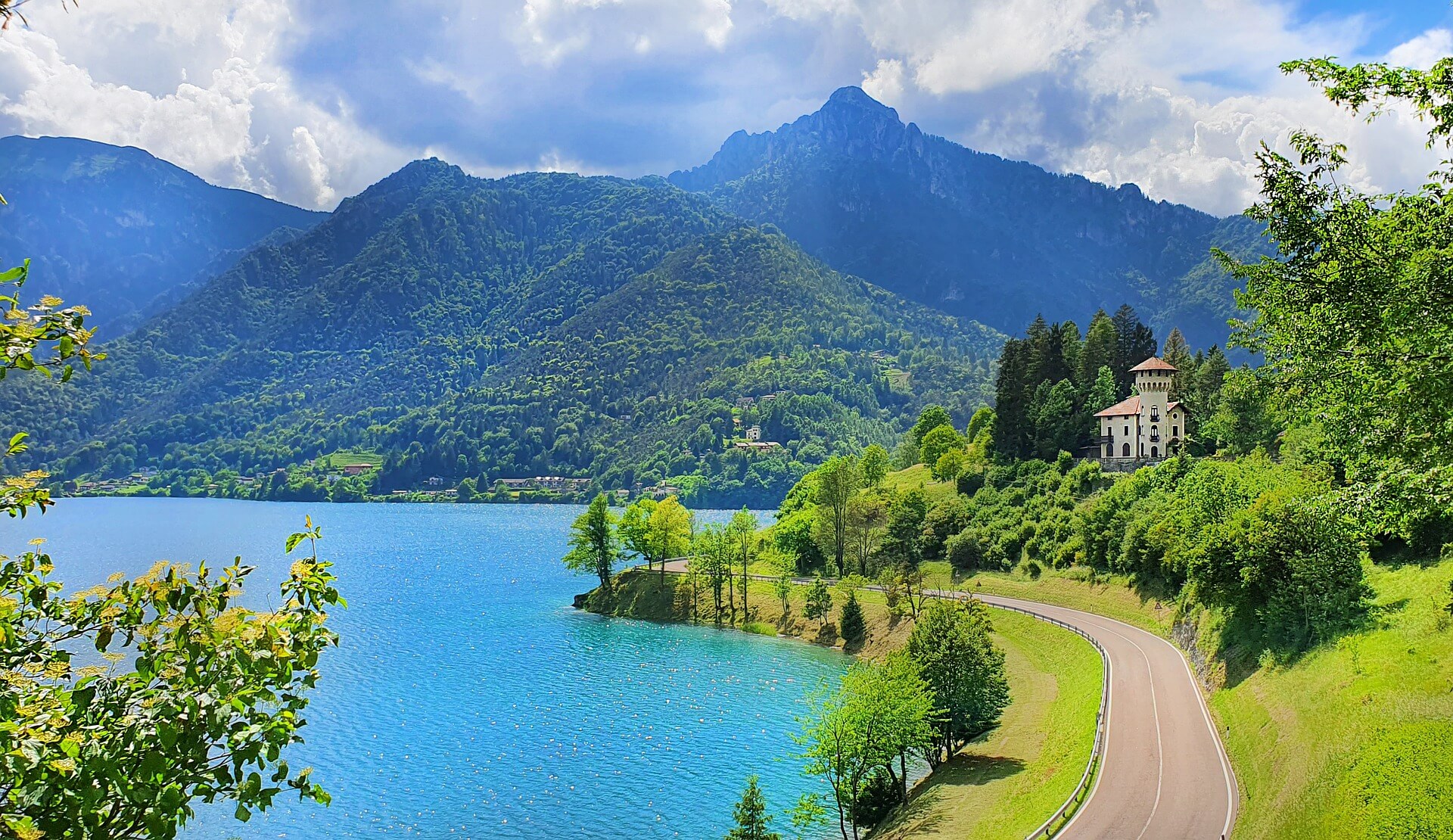
The Lake Ledro Pile Dwelling Museum displays what happens when a hydroelectric project accidentally uncovers 10,000 Bronze Age wooden poles from 2200-1350 BC. Since becoming a UNESCO World Heritage Site in 2011, the museum built four reconstructed stilt houses where you can see how people cooked, slept, and stored food 4,000 years ago.
Entry costs €5. Inside, there's a 3,000-year-old canoe and actual prehistoric bread. The hands-on activities include Bronze Age archery, flint tool making, and pottery workshops—basically summer camp for adults who like archaeology. Open daily 9am-5pm (until 6pm July-August).
Dro and the Marocche Biotope
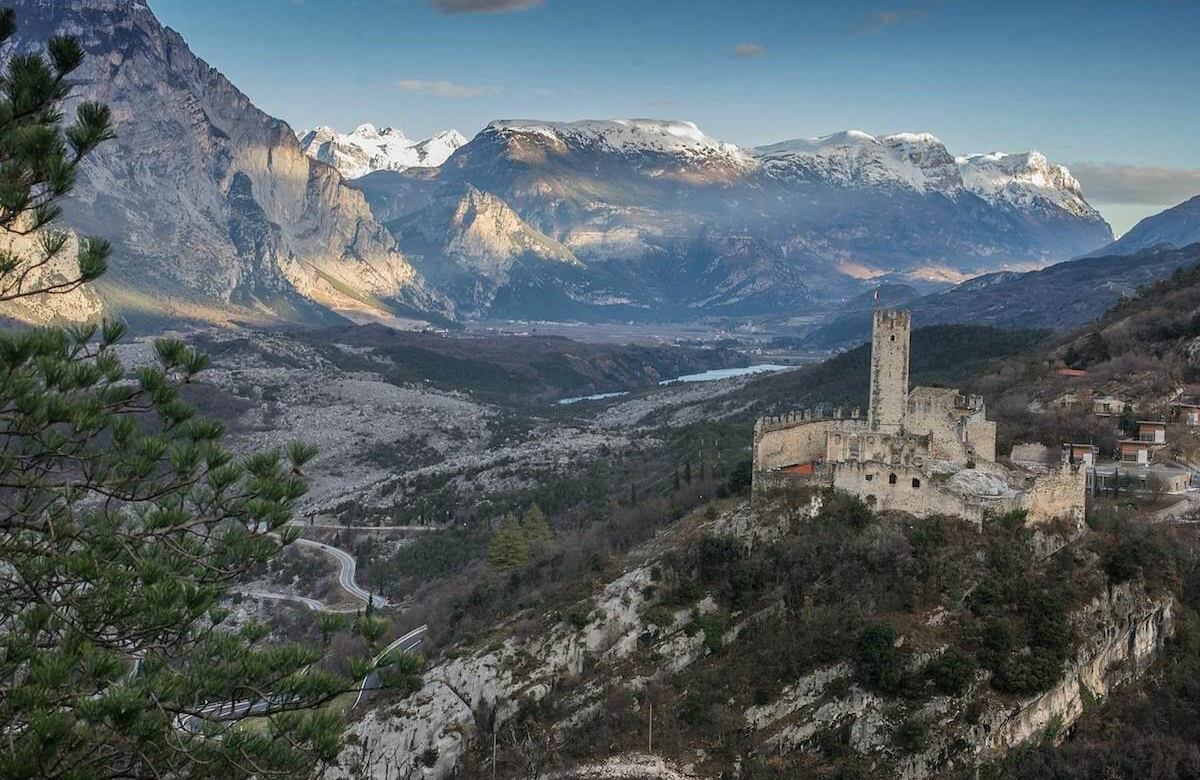
The Marocche di Dro is Europe's largest post-glacial landslide: a protected "lunar landscape" of massive limestone boulders that fell from Monte Brento about 200,000 years ago. The marked hiking loop takes 2.5 hours through terrain that looks like another planet—which is exactly why climbers ignore it.
The draw here isn't the geology lesson. It's the dinosaur footprints. Around 190 million years ago, at least two dinosaurs (one herbivore, one carnivore) walked across what's now the Marocche biotope, leaving tracks preserved in the rock. The circular trail is well-marked but requires decent shoes—this isn't a paved path. Free to hike, and surprisingly uncrowded given how close it is to Arco's crag traffic.

Comano Terme
Comano's thermal water flows from the Brenta Dolomites at 27°C, and Europeans have been bathing in it since the 1800s for skin conditions. The modern setup: a 14-hectare park with thermal pools, steam baths, and "Natural Wellness" activities that sound vague until you realize it's just forest bathing with better branding.
Day spa packages start at €85 (weekdays) or €95 (weekends), which includes pool access, thermal shower, and a wellness lunch. The 2025 season runs from April 17 through early January. Book through the Grand Hotel Terme di Comano or show up and hope for availability—though weekends in summer get packed with Italian families on spa trips.
Drena
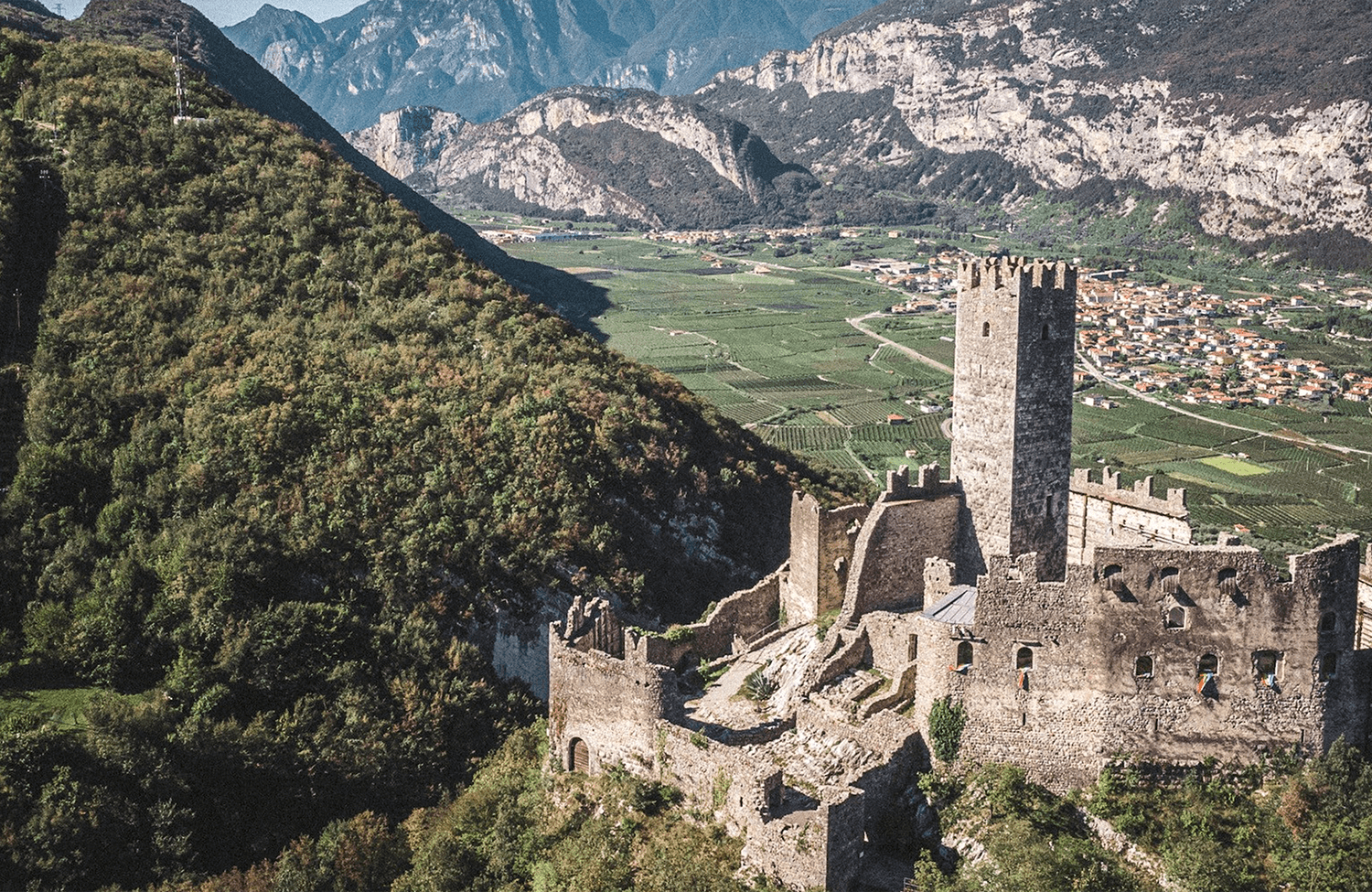
Drena's medieval castle sits on a rocky outcrop above the village, completely restored and now hosting concerts and art exhibitions throughout summer. The real surprise is Drena 3000, an open-air sculpture park north of town where contemporary art installations sit among the rocks and pine trees. It's free to explore and genuinely unexpected in a village this small.
The village itself dates to prehistoric times with Roman and medieval influences still visible in the architecture. It's 15 minutes from Arco, positioned between three lakes (Garda, Cavedine, and Toblino), and sees almost zero climbing tourism despite being closer than most crags.