


4 Ways Going to the Movies in Crete Feels Like the 1990s (Intermission Included)

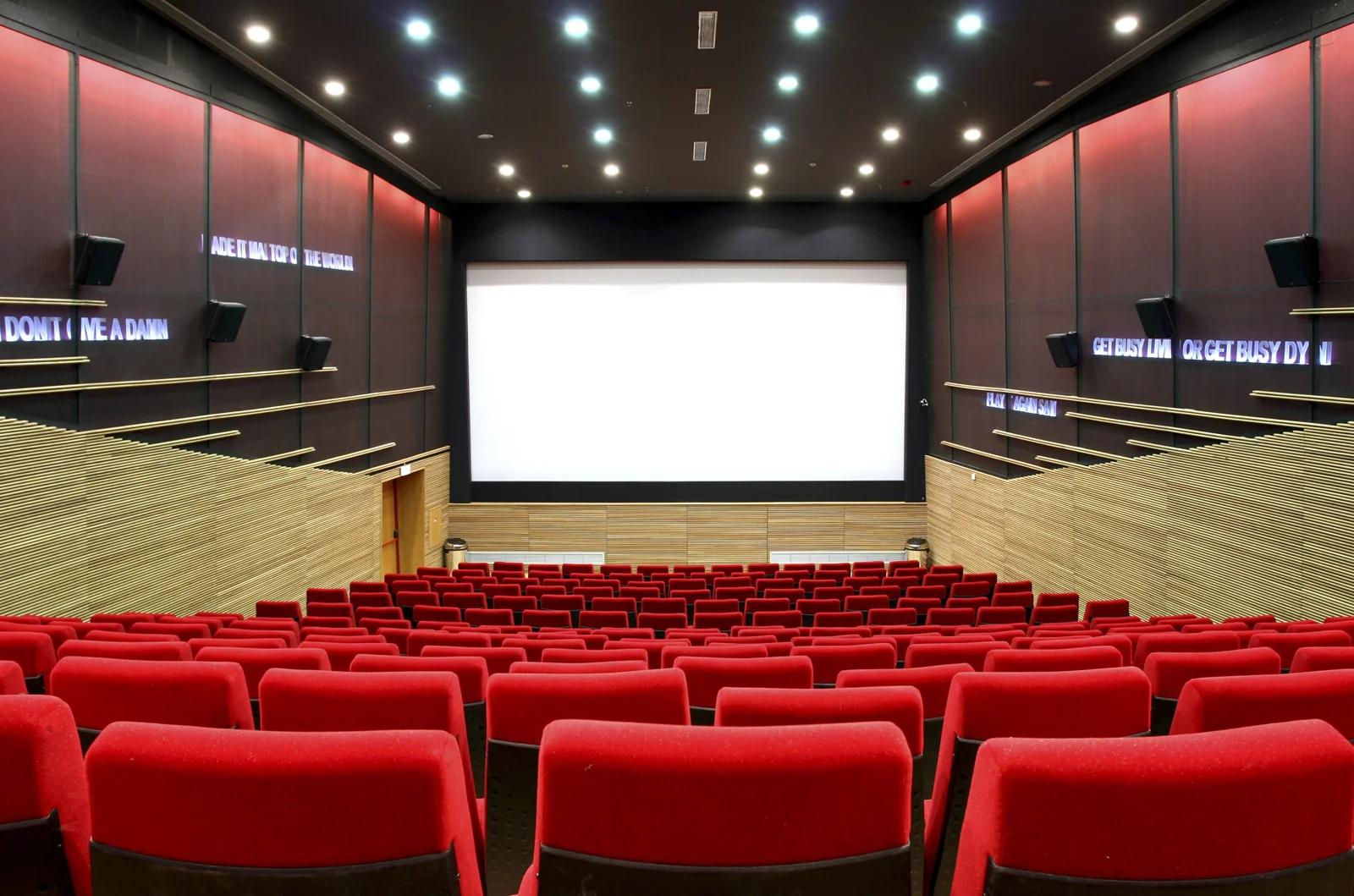
Walk into a Cretan cinema today and you'll experience something most of the world abandoned decades ago: a mandatory intermission halfway through every film. The lights come up around the 60-minute mark, the projector goes dark, and everyone rushes to the kiosk for another beer or a bathroom break. While multiplexes everywhere else ditched this practice in the 1990s when digital projection eliminated reel changes, Greece—particularly Crete—clings to the tradition. Combined with open-air screenings, director's chairs, and prices that haven't caught up with 2025, a night at the movies in Crete genuinely feels like stepping back three decades.
The Intermission Still Exists
Every film screening in Crete includes a 10-15 minute intermission, typically around the one-hour mark. This tradition originated in the pre-digital era when projectionists needed to physically change reels—films came in 20-minute segments that required switching between two projectors or manually threading new reels. Most of the world abandoned intermissions in the 1990s as technology improved, but Greek cinemas kept the practice alive.
The intermission serves multiple purposes beyond nostalgia. Cinema operators use it to boost concession sales—the kiosk does brisk business during the break selling beer, wine, soft drinks, and snacks. For audiences, it's a bathroom break without missing crucial plot points, a cigarette opportunity for smokers, and a chance to socialize. At venues like Asteria Open Air Cinema in Rethymno, the intermission has become part of the ritual—audiences expect it, plan around it, and would probably riot if it disappeared.
You're Watching Under the Stars
Most cinema experiences in Crete happen outdoors during summer months (June through September). Open-air theaters operate in converted terraces, backyards, and courtyards, with screens set up against walls covered in plants and flowers. You'll watch current releases—everything from superhero blockbusters to arthouse films—with the night sky overhead and ambient street noise filtering in from nearby roads.
These outdoor venues typically run two screenings nightly at 9 PM and 11 PM, with tickets costing €5-8 per person depending on the theater. The Open Air Cinema in Paleochora screens Zorba the Greek every Monday at 10 PM, allowing visitors to watch the iconic Crete-set film in its actual setting. Films are shown in their original language with Greek subtitles, making them accessible to tourists. The atmosphere trades pristine audio quality for experience—you'll hear the occasional motorbike pass by, see lights flicking on and off in surrounding apartments, and possibly share your row with the cinema's resident cat.
Director's Chairs Replace Stadium Seating
Forget reclining seats and cup holders. Cretan open-air cinemas typically use director's chairs—those lightweight, folding canvas chairs with wooden frames that were standard in cinemas through the 1970s. They're arranged in rows with small tables between some seats for drinks, creating a casual, almost picnic-like atmosphere. The chairs are comfortable enough for the first hour but can feel restrictive during longer films, which is partly why the intermission exists—everyone stands, stretches, and resets.
Some venues mix director's chairs with simple plastic chairs, while a few theaters like Texnopolis in Heraklion have modern indoor multiplexes with contemporary seating. But the classic open-air experience involves canvas chairs under the stars, a setup that feels decidedly retro compared to today's luxury cinema experiences with heated recliners and waiter service.
Tickets Cost What They Did in 1995
Cinema tickets in Crete range from €5-8 per person at most venues, with some charging as little as €5 for adults. That's roughly what movie tickets cost in the mid-1990s when adjusted for inflation—and remarkably cheap compared to 2025 cinema prices elsewhere. A ticket at a major chain in London or New York easily runs £15-20 ($18-25), making Cretan cinemas a genuine bargain.
The economics work because of lower overhead costs—outdoor venues don't need climate control, modern digital projection equipment in smaller operations may be simpler, and concession sales during the intermission boost revenue beyond ticket prices. The Kipos Cinema in Chania's public garden maintains its affordable pricing while keeping a quality program that changes frequently, proving that accessible cinema doesn't require premium pricing. You can watch a current release, buy beer and popcorn, and leave having spent less than €15 for an entire evening's entertainment.